


 Crown Win
Recent industry reports from Nielsen and McKinsey have confirmed that 69% of global consumers are deeply concerned about the environmental impact of plastic packaging, 48% believe recyclable packaging is the primary solution to single-use plastic waste, and a growing 37% are willing to pay a premium of up to 5% for products using eco-friendly packaging. This shift in consumer behavior has made sustainable packaging no longer just a corporate social responsibility initiative but a critical competitive advantage for brands worldwide.
As a brand committed to environmental responsibility, you may have already started transitioning to sustainable packaging solutions. However, with greenwashing becoming increasingly prevalent in the packaging industry, how can you ensure that your packaging supplier truly delivers on their sustainability promises? At Crown Win Box Manufacturer, we firmly believe that complete transparency is the foundation for genuine sustainable development. To help you thoroughly verify supplier qualifications and make confident, informed decisions, we have compiled this essential guide featuring four critical questions every brand owner should ask.
1. What Materials Are Used in Your Packaging, and Is It Fully Recyclable?
The first and most fundamental question addresses the core of your packaging's sustainability. Packaging materials vary dramatically in their environmental footprints and recyclability, from paper and cardboard to hard plastics and soft films. Understanding exactly what goes into your packaging is essential for making truly sustainable choices.
When discussing materials with potential suppliers, focus specifically on the percentage of post-consumer recycled (PCR) materials used in production. PCR materials are derived from waste generated by end consumers that would otherwise end up in landfills or oceans. While 100% PCR packaging is available, many reputable manufacturers blend virgin materials strategically to enhance packaging durability and structural integrity without compromising sustainability goals.
At Crown Win, all our standard paper packaging solutions contain a minimum of 70% post-consumer recycled materials, striking the perfect balance between environmental responsibility and product protection. We also offer 100% PCR options for brands seeking the highest level of sustainability.
Remember: reduction is the cornerstone of sustainable packaging best practices. Always ask your supplier to eliminate unnecessary components such as foam inserts, plastic films, and air cushions whenever possible. The most sustainable packaging is always the minimum amount required to safely protect your products during transportation and handling.
2. Is Your Packaging Truly Biodegradable, and Under What Conditions?
Biodegradability refers to a material's ability to break down into natural elements through the action of microorganisms (bacteria and fungi) in the presence of heat and oxygen. However, not all materials marketed as "biodegradable" perform equally, and many require specific conditions to decompose properly.
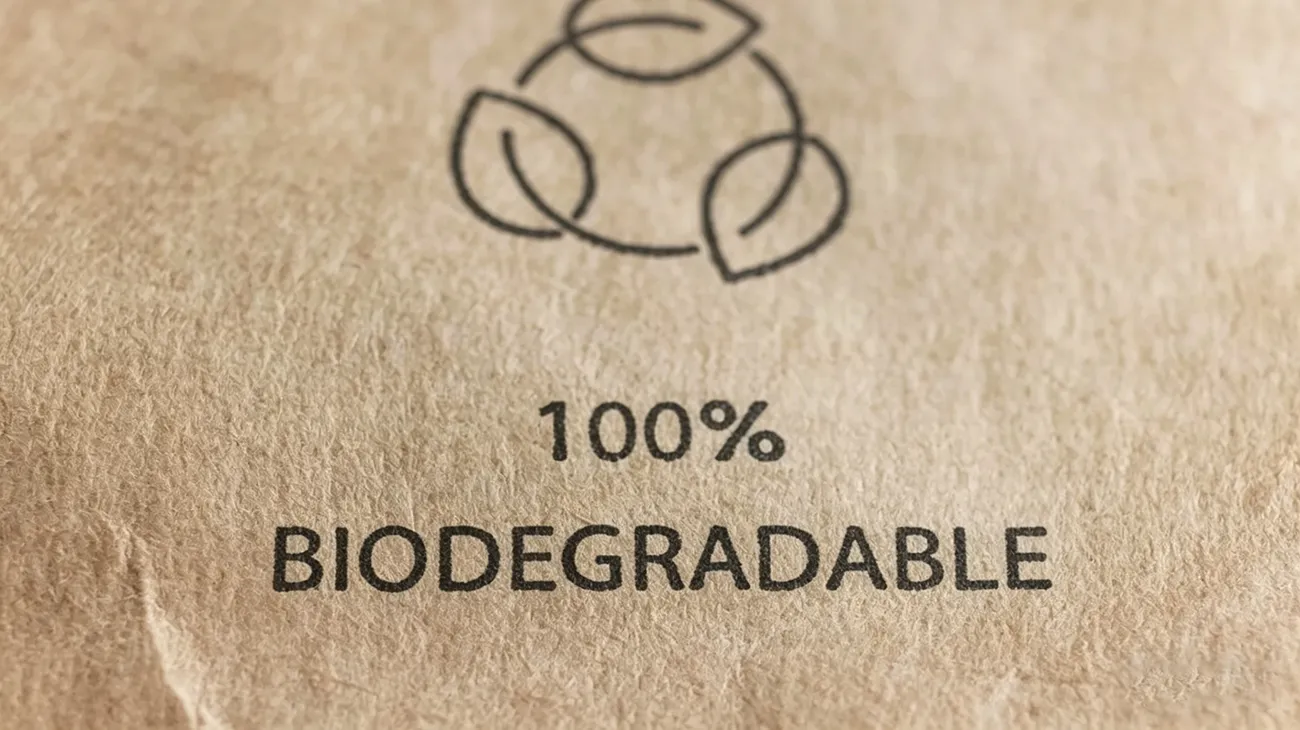
Understanding decomposition timelines and potential residual effects is crucial for avoiding greenwashing claims. Here are approximate decomposition times for common packaging materials:
Paper and cardboard: 2-5 months
Plastic bags: 10-20 years
Aluminum cans: up to 50 years
Glass bottles: thousands of years
You may also encounter bioplastics, which are derived from renewable resources such as plant oils, agricultural waste, straw, sawdust, and recycled food scraps. While bioplastics are often promoted as eco-friendly alternatives, most require extremely high temperatures to decompose and cannot break down in enclosed landfills or standard household composting systems.
Always ask suppliers to provide specific details about the biodegradation conditions required for their materials, including temperature ranges, oxygen levels, and expected decomposition times.
3. Is Your Packaging Certified Compostable?
Compostable packaging represents a higher environmental standard than biodegradable packaging. While all compostable materials are biodegradable, not all biodegradable materials are compostable. This critical distinction is often overlooked by brands and consumers alike.
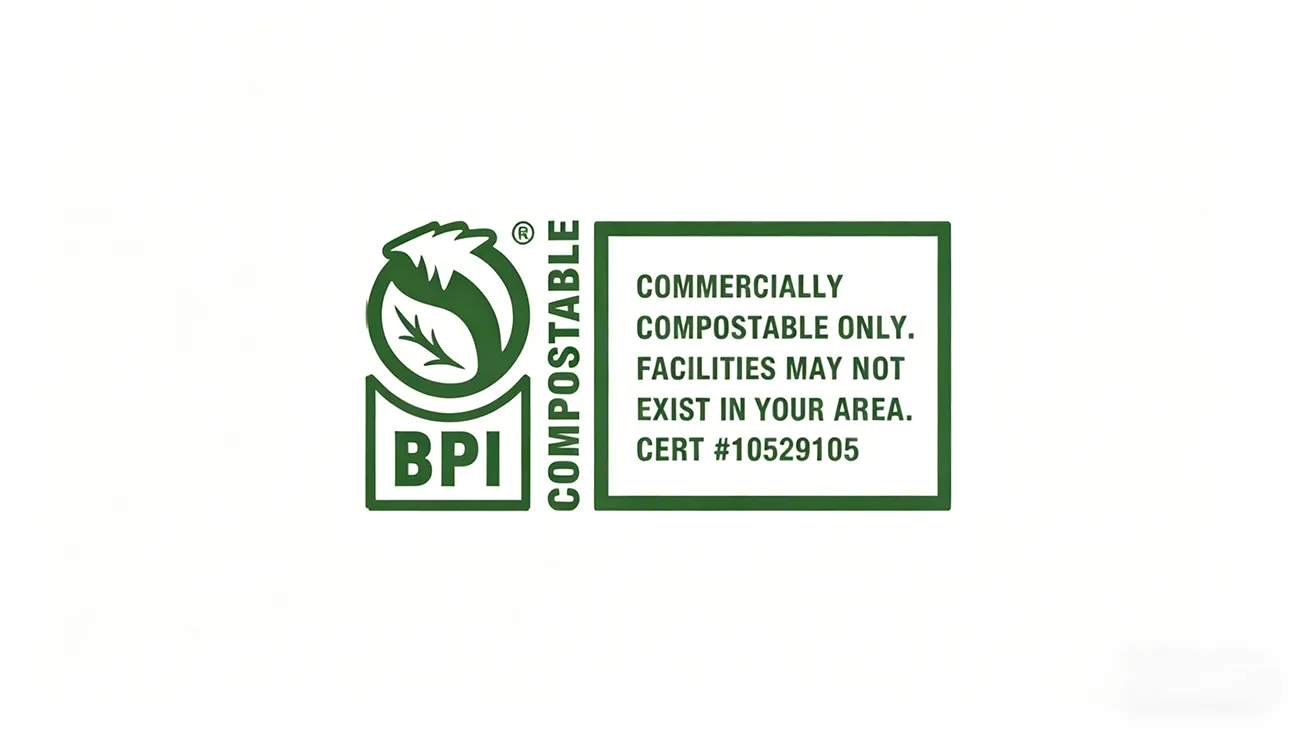
The key difference is that certified compostable materials will completely break down within a specific timeframe (typically 180 days in industrial composting facilities) into nutrient-rich humus that improves soil health and supports plant growth. When properly composted, these materials leave no toxic residues or microplastics behind.
Cardboard remains the most widely used compostable packaging material, but innovative alternatives made from banana fiber, bamboo, mushroom mycelium, and potato starch are gaining popularity. In response to growing consumer demand, many manufacturers now offer home-compostable packaging that can decompose at lower temperatures in backyard compost bins.
Most importantly, always verify that a supplier's compostable claims have been certified by recognized third-party organizations such as the Biodegradable Products Institute (BPI) or ASTM International. Uncertified "compostable" claims are often misleading and may not hold up under real-world conditions.
4. What Type of Ink Do You Use for Printing, and Is It Sustainable?
Sustainability extends far beyond the base materials of your packaging—it encompasses every component, including the inks used for printing. Traditional petroleum-based inks contain volatile organic compounds (VOCs) and heavy metals such as lead, cadmium, and mercury, which pose significant risks to both human health and the environment.
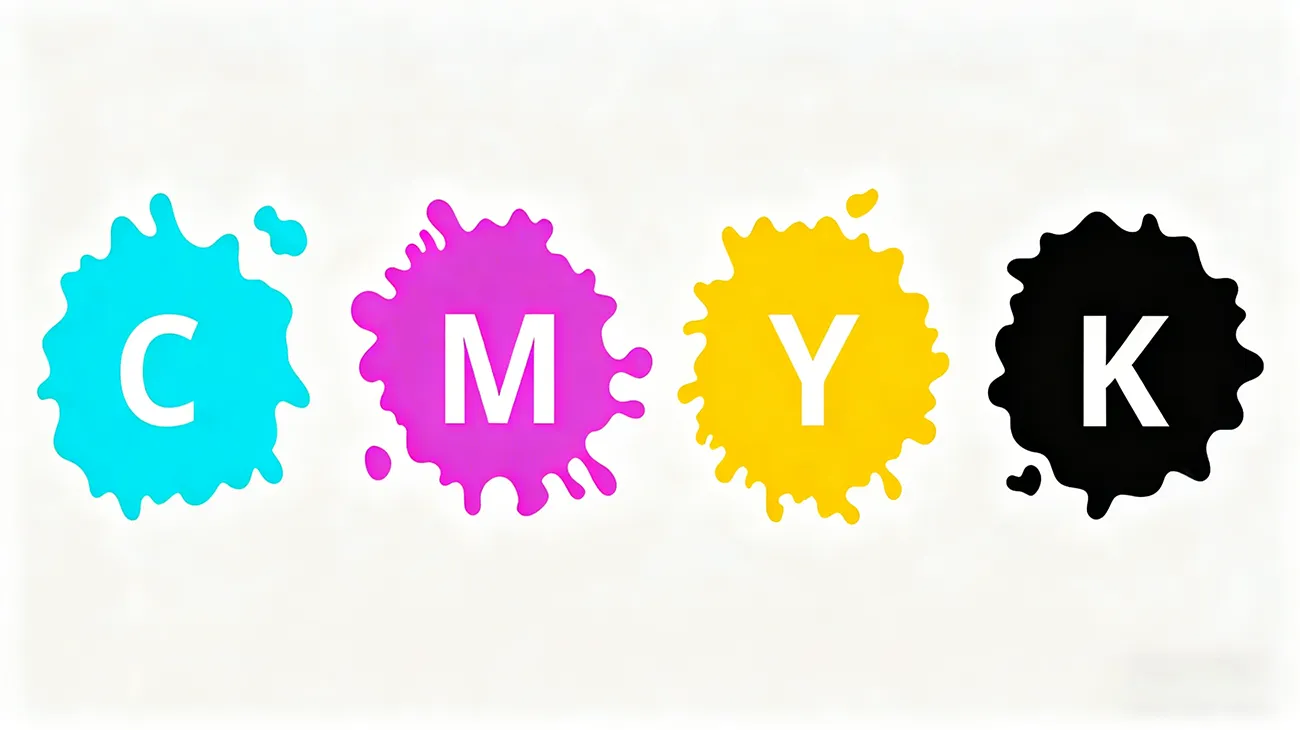
Modern sustainable ink alternatives offer comparable print quality with dramatically reduced environmental impact:
Soy-based ink: Made from renewable soybean oil, it reduces VOC emissions by up to 70% compared to petroleum-based inks. Note that inks only need to contain 6% soybean oil to be labeled "soy-based," so always request complete ingredient information from suppliers.
Water-based ink: Composed of approximately 60% water and completely free of petroleum solvents, these inks are ideal for cardboard packaging. They provide excellent print clarity without excessive oil absorption into paper fibers.
Algae-based ink: An emerging sustainable option made from renewable algae biomass, offering even lower carbon emissions than soy-based inks.
At Crown Win Box Manufacturer, all our standard packaging products exclusively use water-based and soy-based inks that meet strict environmental standards. We ensure that our printing processes are just as eco-friendly as the materials we use, from ink selection to waste management.
Conclusion
Asking these four critical questions is the essential first step in ensuring that your packaging truly aligns with your brand's sustainability values. By gaining a clear understanding of your packaging's material composition, end-of-life options, and environmental impact, you can confidently communicate your sustainability commitments to customers and build stronger, more loyal brand relationships.
In today's environmentally conscious marketplace, consumers are increasingly holding brands accountable for their supply chain practices. Partnering with a transparent, certified sustainable packaging supplier like Crown Win not only helps you meet your environmental goals but also differentiates your brand in a crowded market.
Ready to Elevate Your Sustainable Packaging Strategy?
Contact us today to discuss your unique packaging needs. Our team of sustainability experts will work closely with you to design a custom high-end packaging solution that perfectly showcases your brand image, protects your products, and exceeds all your sustainability expectations.
WhatsApp: +86 13925505272
Email: brina@crownwinbox.com
Frequently Asked Questions
Q: What is the difference between post-consumer recycled (PCR) and post-industrial recycled (PIR) materials?
A: PCR materials come from waste generated by end consumers, while PIR materials come from manufacturing waste. PCR is generally considered more sustainable as it diverts waste from landfills and reduces the need for virgin materials.
Q: How can I verify a supplier's sustainability claims?
A: Request third-party certifications such as FSC (Forest Stewardship Council), BPI (Biodegradable Products Institute), and ISO 14001. Reputable suppliers will be transparent about their certifications and provide detailed sustainability reports.
Q: Is paper packaging always more sustainable than plastic packaging?
A: While paper packaging is generally more recyclable and biodegradable than plastic, the overall environmental impact depends on factors such as production methods, transportation, and end-of-life management. A well-designed lightweight plastic package may sometimes have a lower carbon footprint than an unnecessarily heavy paper package.
 Moral and Sustainable Packaging: Crown Win's 4 Core Ethical Commitments