


 Crown Win
Sustainable packaging is no longer an option but an inevitable trend for modern business development. For brands and manufacturers, choosing recyclable, low-impact packaging helps reduce landfill waste, lower carbon footprints, and gain trust from eco-conscious consumers.
As a professional paper packaging and printing manufacturer, Crown Win Box Manufacturer is committed to providing high-performance, fully recyclable paper and paperboard solutions that balance durability, print quality, and environmental responsibility.
This guide covers everything you need to know about paper packaging recyclability, including how materials, coatings, and inks influence sustainability, as well as actionable best practices to optimize your packaging for recycling.
Why Paper & Cardboard Dominate Sustainable Packaging
Paper and cardboard remain the most widely used packaging materials worldwide for clear advantages:
Lightweight & cost-effective: Reduces transportation emissions and logistics costs
Naturally biodegradable: Decomposes much faster than plastic, glass, or metal
Highly recyclable: Standard white and brown paperboard is easily processed in mainstream recycling systems
Renewable & circular: Supports closed-loop recycling and reduces reliance on virgin resources
Paper decomposes in just 2–6 weeks, while cardboard takes about 2 months. In contrast, plastic bottles can persist for 450 years and glass for up to 1 million years. Paper packaging delivers genuine end-of-life sustainability.
Recyclable Coatings for Paper Packaging: Which Are Eco-Friendly?
Coatings improve appearance, durability, and ink adhesion but directly affect recyclability. Choosing the right finish is critical for green packaging design.
1. Water-Based Coating
Eco-friendly, low-VOC, and fully recyclable
More economical than lamination
Available in matte, satin, and gloss finishes
Ideal for most retail and e-commerce packaging
2. UV Coating
Provides high-gloss, long-lasting surfaces
Compatible with standard paper recycling systems
Perfect for premium branding and enhanced shelf appeal
3. Lamination & Plastic Films
Traditional plastic lamination creates barriers that make paper non-recyclable
Common in coffee cups, takeaway boxes, and leak-proof trays
Eco-alternatives: soy-based or biopolymer laminates offer improved recyclability
Rule of Thumb: Avoid plastic coatings if you want your packaging widely accepted by recycling facilities.
Printing Inks & Their Environmental Impact
Ink selection affects both print quality and recycling efficiency. Two main ink types differ greatly in sustainability:
Petroleum-Based Inks
Contain VOCs such as toluene, benzene, and xylene
Harmful to ecosystems and human health
Difficult to remove during recycling and damage paper fibers
Less vibrant and more costly
Soy-Based (Vegetable-Based) Inks
Standard choice at Crown Win Box Manufacturer
Made from renewable soy oil
Deliver brighter, clearer colors with less grease
Easier to de-ink during recycling
Biodegradable, non-toxic, and reduce hazardous waste
How Paper & Cardboard Recycling Works
Understanding the recycling process helps you design truly recyclable packaging:
Collection & Baling: Used boxes are sorted, compressed, and baled
Repulping: Baled materials are mixed with water to form pulp
Deinking & Cleaning: Ink is removed; fibers are brightened
Screening & Filtering: Contaminants like plastic, staples, and excess coatings are removed
Reforming: Clean pulp becomes new paper, boxes, and other paper products
Laminated or heavily coated paper is often rejected due to processing difficulty. Uncoated or water-based coated paper achieves the highest recycling efficiency.
How to Ensure Full Recyclability of Your Paper Packaging
Follow these best practices from Crown Win Box Manufacturer:
Use uncoated or water-based coated paperboard
Choose soy-based or vegetable-based printing inks
Avoid plastic lamination, foil, and non-paper barriers
Minimize mixed materials that contaminate recycling streams
Add clear recycling instructions on packaging
Check local recycling facility guidelines for accepted materials
Environmental Lifespan: Packaging Material Comparison
Paper: 2–6 weeks decomposition | Excellent recyclability
Cardboard: ~2 months decomposition | Excellent recyclability
Plastic bags: 10–1000 years | Limited recyclability
Plastic bottles: 450 years | Moderate recyclability
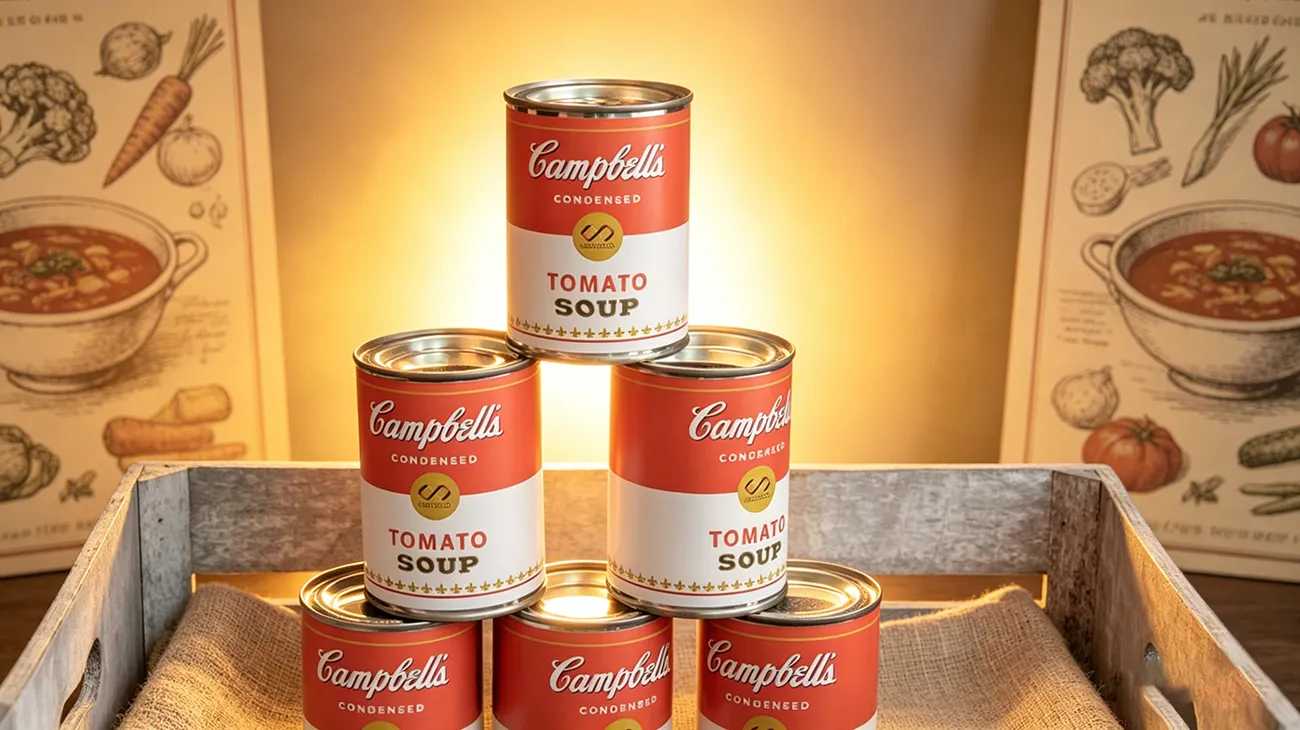
Tin cans: 50 years | Good recyclability
Aluminum cans: 80–200 years | Excellent closed-loop recyclability
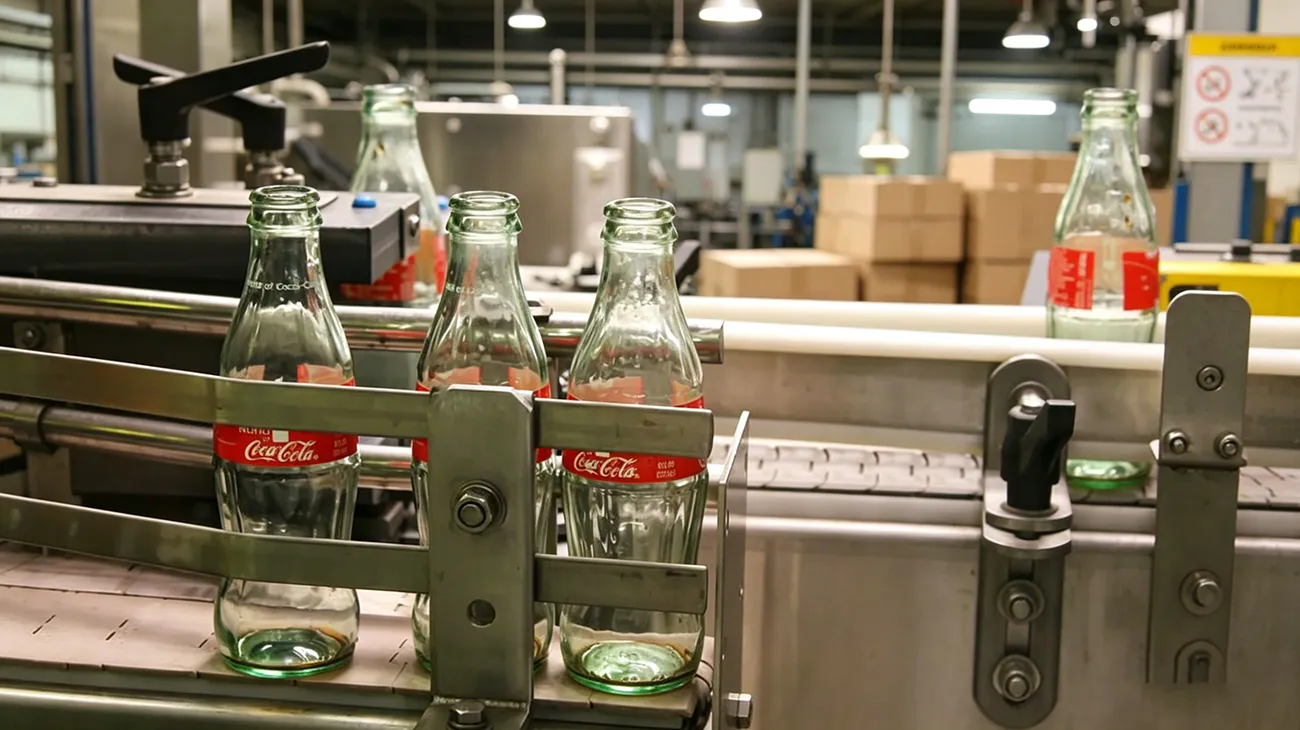
Glass: 1,000,000 years | Excellent infinite recyclability
For most packaging applications, paper and cardboard remain the most sustainable choice.
Crown Win Box Manufacturer: Your Trusted Sustainable Packaging Partner
We specialize in high-quality, eco-friendly paper packaging built for the circular economy:
100% recyclable paperboard structures
Soy-based, low-impact printing inks
Water-based coatings for maximum recyclability
Custom designs optimized for print, protection, and sustainability
Transparent supply chain supporting responsible fiber sourcing
We help brands build high-performance, attractive, and environmentally responsible packaging.
Conclusion
Recyclable paper packaging is the foundation of responsible branding. By selecting proper materials, coatings, and inks, businesses can reduce waste, lower carbon emissions, and meet consumer demand for authentic sustainability.
Whether you are developing e-commerce boxes, retail packaging, or branded mailers, prioritizing recyclability creates long-term value for your brand and the planet.
 Crown Win: 4 Key Steps in Designing Eco-Friendly Cosmetic Packaging