


 Crown Win
As a paper packaging printing manufacturer, Crown Win Box Manufacturer has years of industry experience and we deeply understand that color is the soul of creating excellent packaging. We work with brand owners, e-commerce sellers, and designers every day, and they all ask the same key question: What are the differences between CMYK, RGB, and PMS color systems? Which one is most suitable for my customized packaging box printing?
Choosing the wrong color space can result in costly printing rework, unexpected color differences, and a mismatch with the brand image. This guide will provide a detailed introduction to these three core color systems, including their ideal application scenarios, and how to optimize your packaging design to achieve perfect printing results every time.
Core foundation: Four color printing and spot color printing
Before delving into the specific details of each color system, it is crucial to understand the two basic printing methods that define them: four-color printing and spot color printing.
Four color printing is achieved by mixing four basic inks on a printing machine during the printing process. These four inks form the CMYK color system, also known as four-color printing. This method is the industry standard for full-color printing, as it can reproduce various tones by changing the ratio of base color ink.
In contrast, spot color refers to ink that is pre mixed according to precise color standards before printing. Each spot color requires a dedicated printing plate and printing process to achieve unparalleled color accuracy and consistency. Pantone Color System (PMS) is the global gold standard for spot color printing, used by brands around the world to ensure color consistency in all their marketing and packaging materials.
What is RGB? When should it be used?
RGB represents red, green, and blue, and is the color system used by all digital displays. Unlike ink dependent printing color systems, RGB creates colors by mixing red, green, and blue light beams of different intensities, with values ranging from 0 (no brightness) to 255 (full brightness). When three colors are mixed at maximum intensity, they produce pure white light.
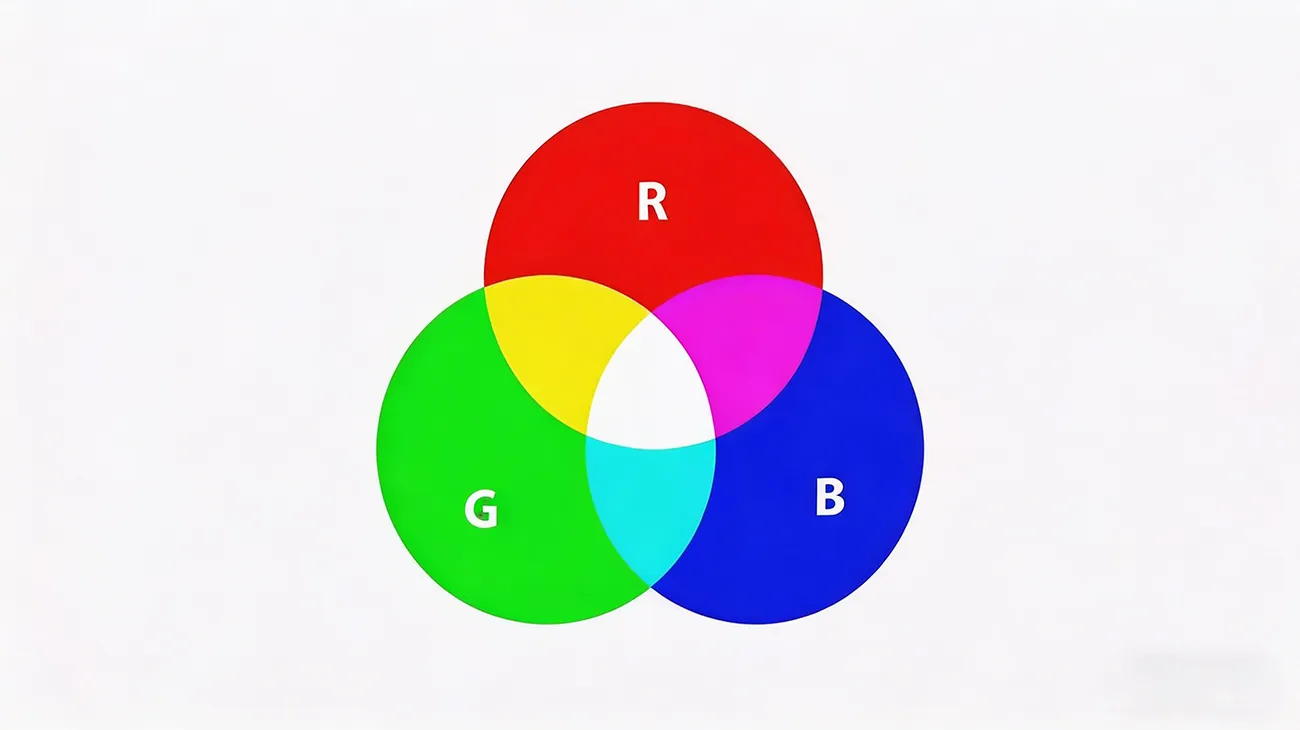
Key details of RGB color mode
Additive color model: As the number of primary colors increases, the brightness of colors also increases.
Device dependency: The color rendering effect may vary depending on screen calibration, brightness, and display type (phone, laptop, TV, etc.).
Ideal application scenario: All pure digital assets, including brand websites, social media images, e-commerce product lists, digital advertising, and screen presentations.
Important Tips for Packaging Design
The RGB color mode is not suitable for packaging or any physical printed materials. Due to the dependence of RGB color mode on light to render colors, it is not possible to accurately replicate them through printing ink. Directly converting RGB designs to printed materials can result in significant and often unpredictable color shifts, dull tones, and ultimately a product that does not match the screen design. All packaging projects must use a printing specific color system.
What is CMYK? Why is it the standard for packaging printing?
CMYK stands for Cyan, Magenta, Yellow, and Key, and is a subtractive color model and a global standard for commercial and packaging printing. Unlike RGB additive printing systems, CMYK uses white as the base color (such as packaging paper or cardboard) and reduces brightness by overlaying semi transparent ink. The more ink added, the darker the final color; In theory, pure black can be obtained by mixing cyan, magenta, and yellow with full saturation, and then adding specialized black (Key) ink can achieve deeper and clearer color tones and improve printing efficiency.
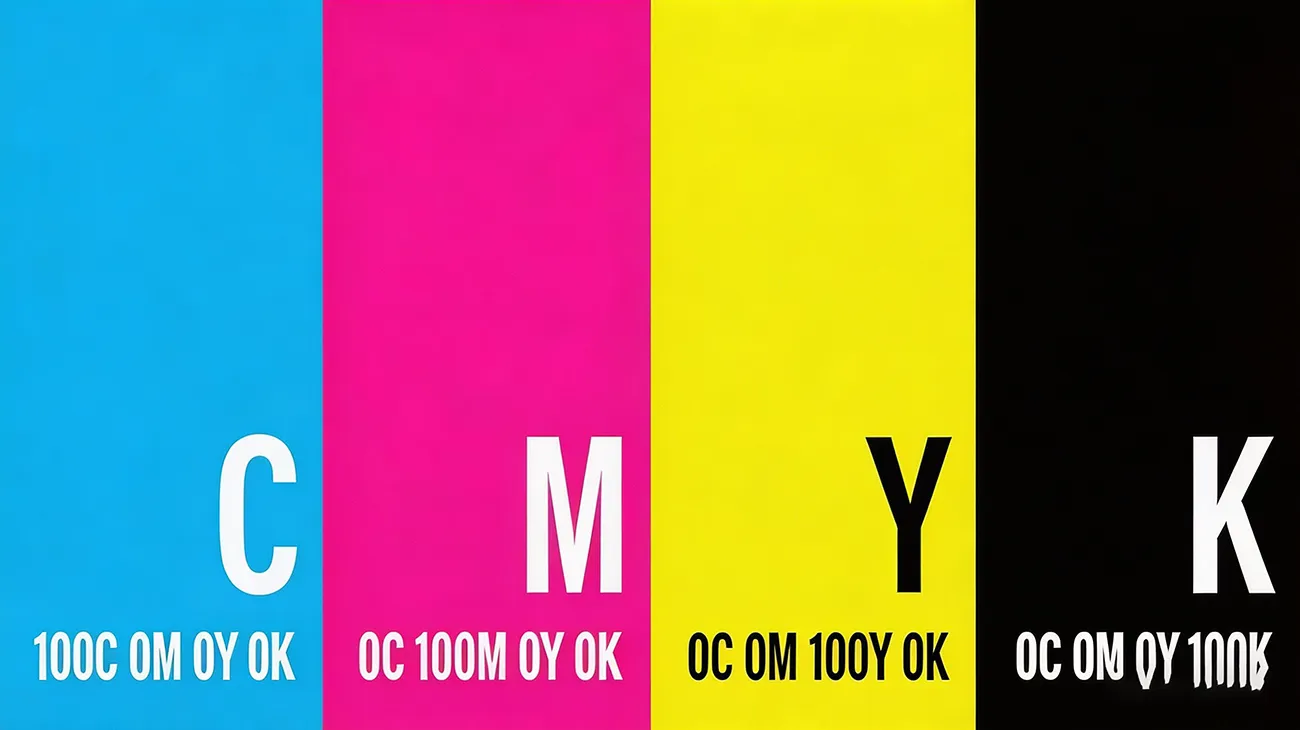
The core advantages of CMYK packaging printing
Unparalleled cost-effectiveness: using only four basic inks makes it more cost-effective than spot color printing for full-color design, photography, and complex pattern printing.
The universality of full-color printing: it can reproduce most of the color tones required for retail packaging, product images, and fine graphics.
Industry universality: All commercial printing machines support CMYK, making them the preferred choice for custom folding paper boxes, mail packaging boxes, shipping containers, and standard retail packaging.
Ideal application scenarios for CMYK
Customized packaging containing full-color photos, gradient or complex multi-color patterns
Home printing projects and small batch packaging printing
Projects with limited printing budget
Standard retail packaging, e-commerce transportation packaging boxes, and non high-end customized packaging box solutions
Main limitations
There may be slight differences in CMYK color tones between different printing machines, paper types, and production batches. It cannot replicate super bright neon colors, metallic luster, or brand specific colors that are perfectly consistent across multiple printing suppliers or locations.
What is PMS (Pantone Color System)? When must PMS be used?
PMS, The Pantone color matching system is the most widely used spot color system in the world, using pre formulated and standardized inks to provide unparalleled color expression. Its accuracy and consistency. Each Pantone color is assigned a unique code and comes with a dedicated formula to ensure that every print, regardless of the printer used, location, or batch of production, presents the exact same color tone.
It is this high degree of consistency that has led many globally renowned brands, from Tiffany&Co. to Coca Cola, to firmly believe in the Pantone system and use it as the standard for their iconic brand colors - ensuring that the final appearance remains completely consistent regardless of whether their packaging is printed in North America, Europe, or Asia.
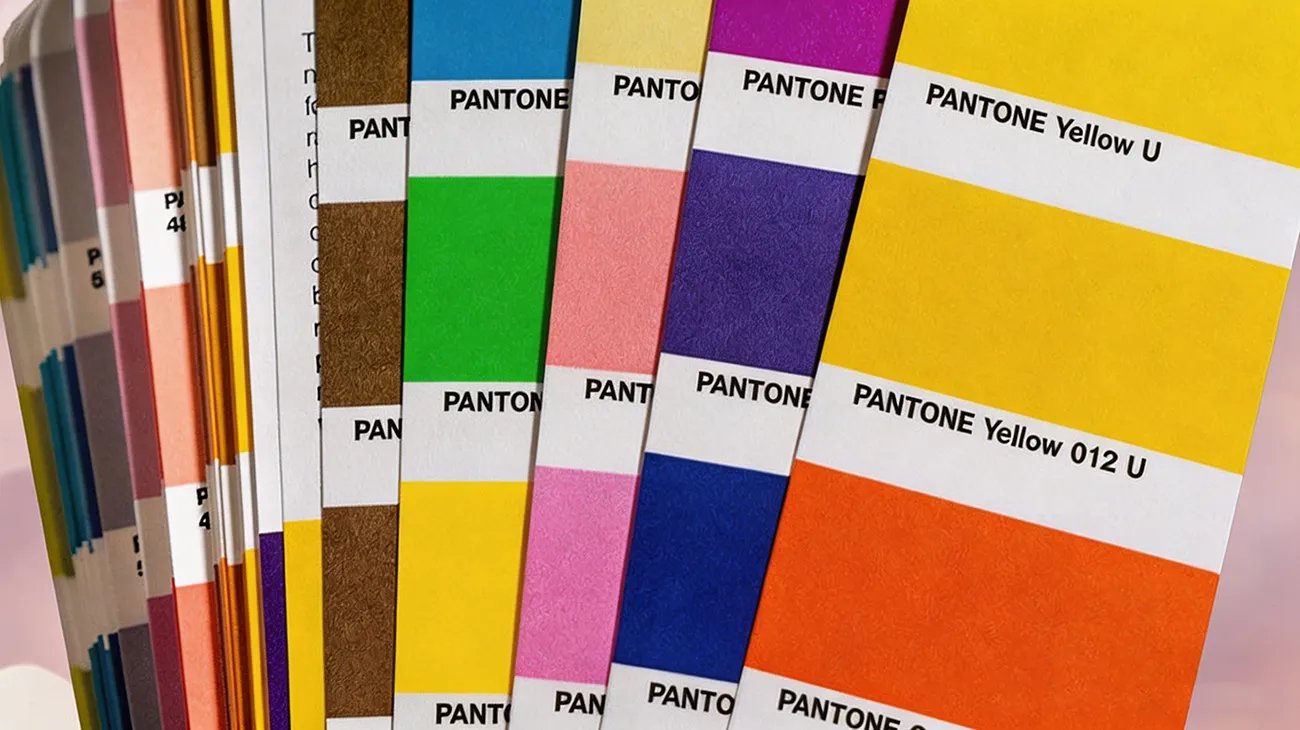
Pantone Color: The Difference between Coated and Uncoated Paper
Each Pantone color code ends with the letters "C" (Coated) or "U" (Uncoated) to indicate which type of paper the color formula is specifically formulated for:
Pantone C (coated paper): designed specifically for paper with a smooth surface, coated treatment, and glossy finish (i.e. copperplate paper). It can present sharp, vivid, and clear printing effects, making it the preferred solution for high-end hard boxes, high-end folding paper boxes, and luxury retail packaging.
Pantone U (uncoated paper): specially formulated for paper with porous surfaces, uncoated treatment, and strong ink absorption properties (such as kraft paper). It can present a softer, more restrained and rustic printing effect, which is very suitable for kraft paper mail boxes, environmentally friendly packaging, and design schemes that pursue natural and organic aesthetic styles.
The core advantages of PMS (Pantone Color Matching System) in the field of packaging printing
100% color consistency: Ensure that your brand's colors are perfectly matched in every packaging production batch, every material, and every printing partner.
A wider color gamut range: capable of accurately reproducing neon colors, metallic colors, soft tones, and visually striking bright tones - colors that traditional CMYK four-color printing systems cannot present.
Ideal application scenarios for PMS
Print brand logos, promotional slogans (Taglines), and various core brand identification elements on the packaging.
Used for printing luxury and high-end customized packaging boxes with extremely high requirements for color accuracy.
Design schemes involving neon, metallic, or various special effect inks.
For brands that need to maintain a unified color image across various packaging forms, marketing materials, and production locations, PMS is the best choice.
Key considerations
Compared to CMYK printing, Pantone spot color printing usually has a higher cost because it requires the use of pre prepared specialized ink, the production of specialized printing plates, and additional printing machine debugging and setup processes. Therefore, for design schemes that only contain 1 to 3 solid color spot colors, the Pantone printing scheme has the highest cost-effectiveness; For complex design drafts containing full-color photographic images, Pantone spot color printing is usually not recommended. CMYK and PMS: How to Choose the Right Color System for Your Customized Packaging
Joining hands with Crown Win packaging manufacturers to achieve perfect printing color effects
The difference between a plain packaging and a stunning packaging often depends on the precision of the colors. Summary as follows: For all materials used only for digital media, please use RGB mode; If you need to produce cost-effective full-color customized packaging, please choose CMYK mode; When the consistency of brand image, the application of special ink, and absolute color accuracy become uncompromising requirements, PMS (Pantone Color) mode should be preferred.
As a packaging manufacturer, we are committed to turning your packaging ideas into reality with industry-leading color management technology and printing expertise. Whether it's high-end hard boxes, customized folding paper boxes, or eco-friendly kraft paper mailing boxes, our internal team of printing technicians and color experts can ensure that your design is perfectly optimized to meet printing needs - thereby completely eliminating color deviations, reducing unnecessary costs, and presenting you with excellent finished products. Every production can present consistent and stunning results.
Contact us immediately for a free quote or sample, and let's work together to create exclusive packaging that makes your brand stand out.
 ow to Customize Packaging Thank-You Cards: Elevate Unboxing Experience & Boost Customer Loyalty