


 Crown Win
The lamination process is widely used across food, cosmetics, pharmaceuticals, and retail packaging to enhance barrier performance, durability, and overall appearance. However, as sustainability becomes a global priority, traditional laminated packaging faces growing scrutiny due to its poor recyclability and environmental impact.
Drawing on industry expert insights, this article breaks down the key challenges of laminated packaging and explains how paper-based solutions offer a more eco-friendly alternative for brands worldwide.
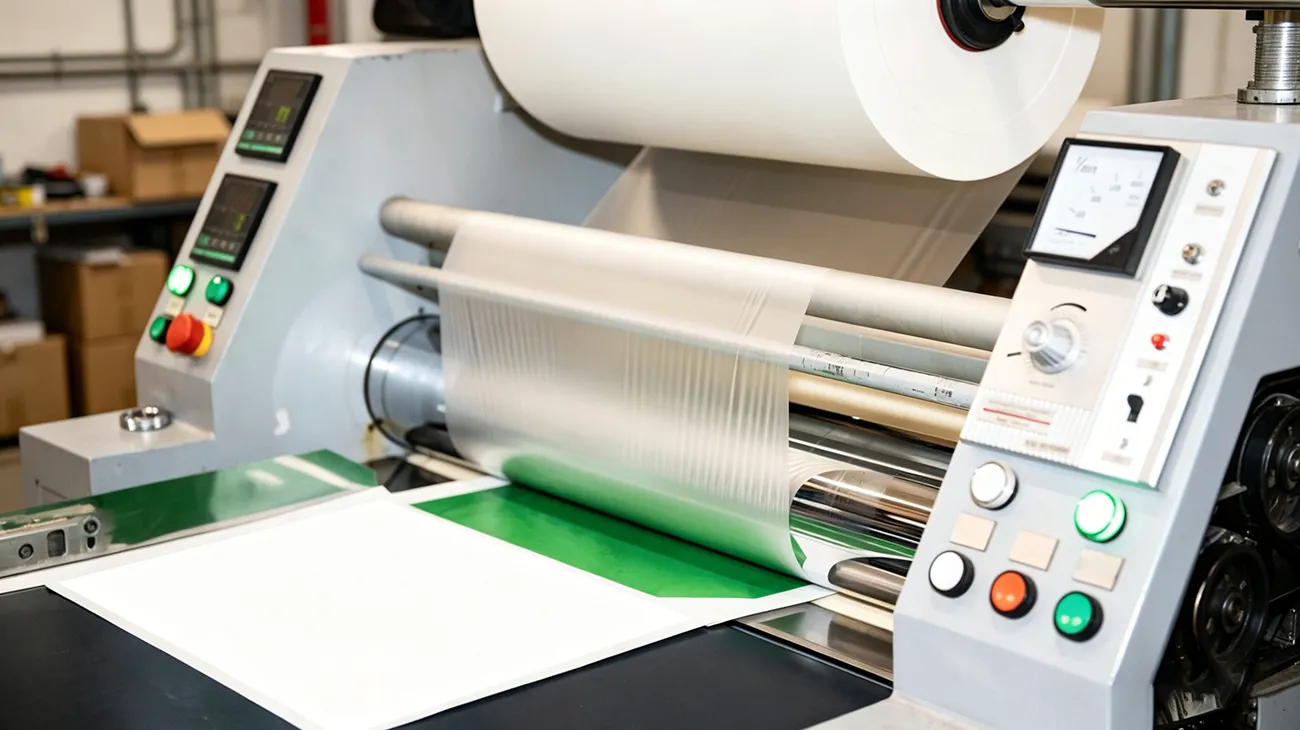
What Is Laminated Packaging?
Laminated packaging combines multiple layers of plastic films such as PET, OPP, or metallized films to improve resistance against moisture, oxygen, and light. It is commonly applied in flexible packaging for snacks, personal care items, and medical products.
While lamination delivers strong preservation performance, most laminates use multi-layer plastic structures bonded with adhesives, creating serious difficulties in recycling and disposal.
The Sustainability Dilemma of the Lamination Process
Standard plastic laminates cannot be fully recycled in mainstream waste management systems.
Multi-layer dissimilar materials are chemically bonded and difficult to separate efficiently.
Adhesives and coatings often contaminate recycling streams and reduce recycled material quality.
Many laminates labeled “recyclable” still end up in landfills due to limited processing infrastructure.
Until cost-effective delamination technology becomes widely available, plastic laminates will remain a major environmental challenge.
Paper Packaging: A More Eco-Friendly Choice
Paper-based packaging offers clear environmental advantages:
Higher recyclability in existing waste management systems.
No complex multi-layer plastic structures.
Biodegradable with a lower carbon footprint.
Compatible with water-based inks and eco-friendly coatings.
Modern paper surface treatments also provide sufficient protection for most non-food and dry goods, making paper a practical replacement for many laminated packaging applications.
The Future of Sustainable Lamination Technology
The global packaging industry is shifting toward more sustainable solutions:
Mono-material structures for easier recycling.
Strict adherence to design-for-recycling principles.
Development of compostable film alternatives.
Paper substrates with functional barrier coatings.
These innovations will gradually reduce reliance on traditional non-recyclable laminates.
Sustainable Paper Packaging Solutions by Crown Win Box Manufacturer
At Crown Win Box Manufacturer, we specialize in recyclable, eco-friendly paper packaging designed to reduce plastic consumption. We optimize box structures, use water-based inks, and avoid unnecessary lamination to support brands in achieving their sustainability goals while maintaining premium visual appeal and product protection.
Conclusion
Plastic lamination remains useful for high-barrier applications, but paper packaging is the more sustainable choice for most consumer and gift packaging. By choosing recyclable paper solutions, brands can lower their environmental impact and meet rising consumer demand for eco-friendly packaging.
 Crown Win's Sustainable Paper Packaging Solution for the Clothing Industry