

 Crown Win
When planning paper packaging, brands often weigh the predictable cost of a standard box against the shelf presence of a custom shaped box. The right choice depends on more than appearance. Tooling, order quantity, assembly, product fit and shipping dimensions can all affect the final cost.
A standard structure may be a practical starting point when budget and timing are priorities. A custom shape may be worthwhile when a distinctive outline or opening experience is important to the product. Before deciding, compare the complete first order and the likely reorder costs.
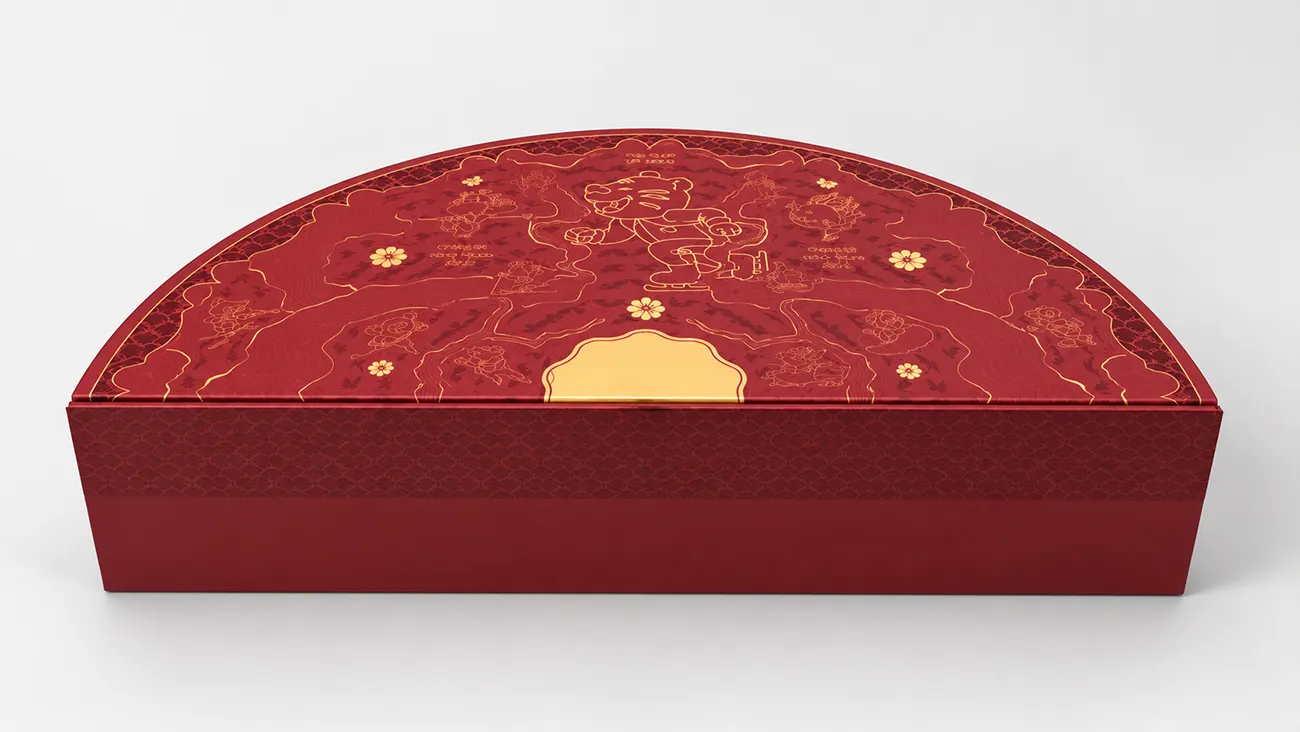
What Is the Difference Between Standard and Custom Shaped Boxes?
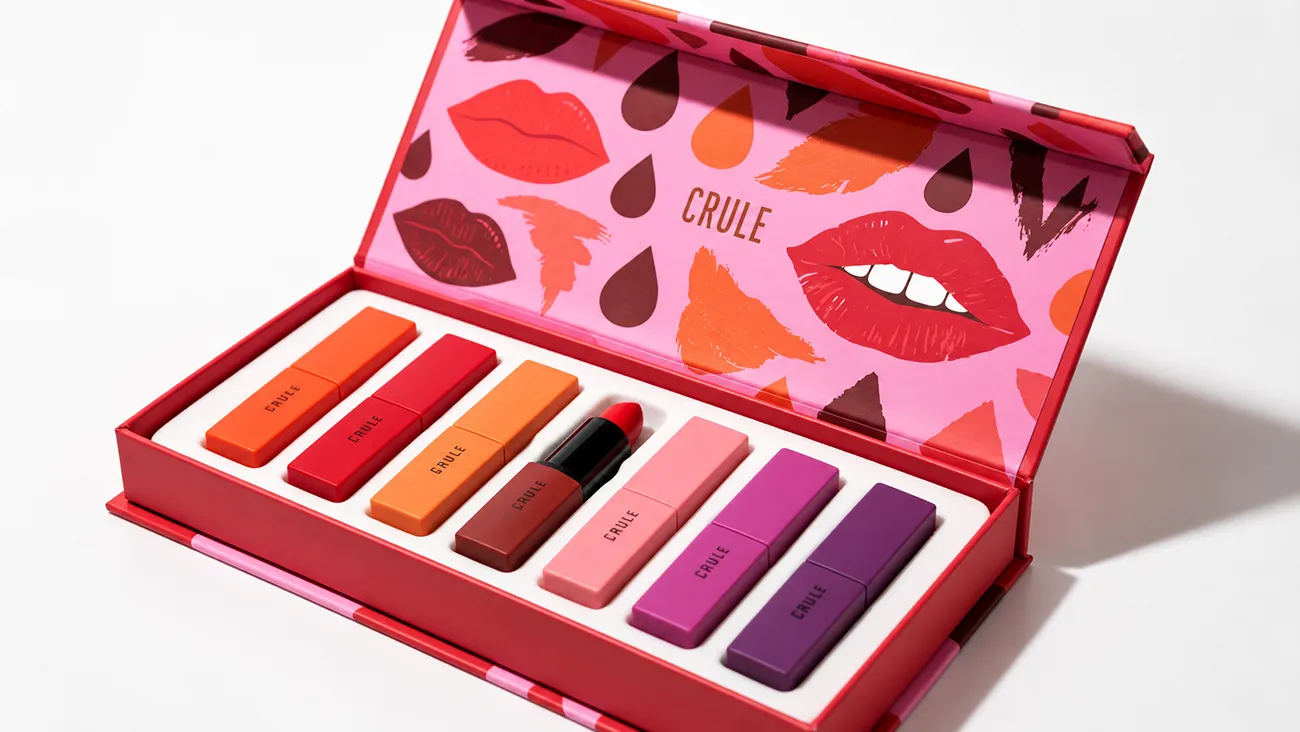
A standard box uses an established structure or stock size. It can still feature custom printing, colors, finishes, inserts or a branded sleeve.
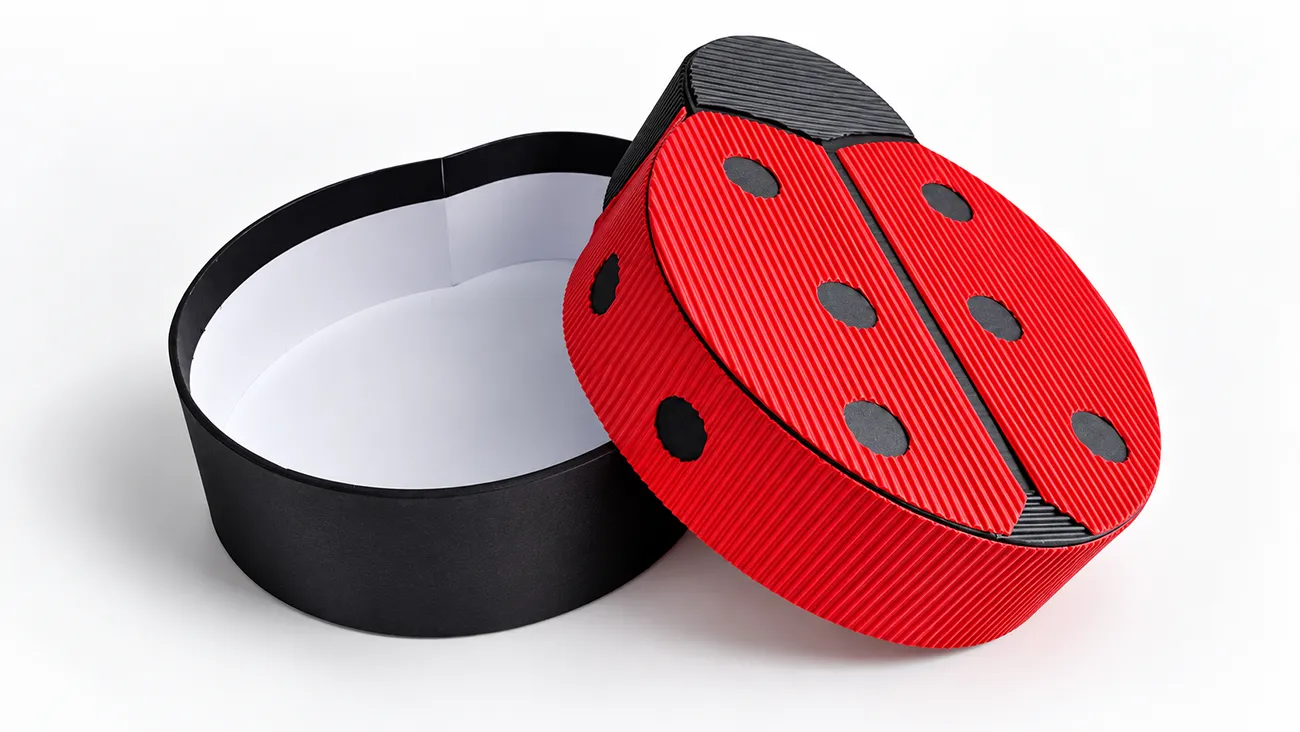
A custom shaped box has a nonstandard outer profile or structural design developed for a specific product or brand concept. It may need a new dieline or cutting die, depending on the design and the supplier’s existing tooling.
Custom printing alone does not necessarily make a box a custom shape. Clarifying the structure helps buyers compare quotes accurately.
How Box Design Affects Cost
A packaging quote may include several separate costs:
1.Box design and dieline preparation
2.Cutting die or other tooling, if required
3.Printing setup or plates, depending on the print method
4.Paperboard, printing and finishing
5.Folding, gluing and hand assembly
6.Sampling, packing and freight
A custom shape can add a tooling charge or require more production and assembly work. The actual cost depends on the shape, material, print process, finish, order quantity and whether a suitable die already exists. Suppliers may list tooling separately, include it in the unit price or retain it for future orders, so ask how repeat orders will be priced.
For a smaller test run, compare the full custom shape with a standard structure enhanced by a printed sleeve, label or other branding. This can help you evaluate the product presentation before committing to a more specialized structure.
For a broader breakdown of material, size, finishing and order volume, read our guide to custom packaging cost factors.
Production and Lead Time
A standard structure may avoid some design and tooling steps, but its total production schedule still depends on materials, printing, finishing and supplier capacity.
A custom shaped box may require additional dieline development, tooling, sample review and production checks. Changes after a sample is made can add time, especially if they affect the structure or product fit.
Before approving production, confirm:
1.The product dimensions and internal fit
2.The dieline and finished box dimensions
3.The material and print specifications
4.The sample approval process
5.The expected schedule for sampling and production
Lead times vary by project. Ask the supplier to provide a schedule based on your approved specifications and delivery destination.
MOQ and Order Quantity
A custom shape does not automatically require a higher minimum order quantity. MOQ depends on the supplier’s equipment, material, print method, production setup and assembly requirements.
Small runs may be possible with digital printing or prototype cutting, but the per-unit price can be higher. Larger runs may spread setup and tooling costs across more boxes. Ask for pricing at the quantities you are actually considering, including separate first order and reorder pricing.
Shipping, Packing and Market Requirements
Compare the dimensions and weight of the packed shipment, not just the box design on screen. Ask how many units fit in each master carton, whether the boxes ship flat or assembled, and how the cartons will be palletized.
An unusual outer shape can affect stacking and packing efficiency when boxes ship assembled. Flat-packed paper boxes may use space differently. The impact on freight depends on the finished design, packing method, quantity and shipping route.
Packaging shape alone does not determine export compliance. Labeling and documentation needs depend on the product, destination market and applicable requirements. Confirm those requirements with your compliance team and ask the supplier which material or production documents they can provide.
For parcel shipments using UPS, package dimensions may affect shipping charges through dimensional weight. See the UPS guide to shipping dimensions and weight. Carrier rules vary by service and shipping route.
When to Choose a Standard Box
A standard structure may be a good fit when:
1.You need a practical option for a budget sensitive launch.
2.The product fits an established box structure.
3.You want to test packaging before investing in a new shape.
4.You expect to prioritize repeatable production and straightforward packing.
Custom printing, a sleeve, label or insert can still give a standard box a distinct brand identity.
When to Choose a Custom Shaped Box
A custom shaped box may be worth exploring when:
1.The product has unusual dimensions that need a tailored structure.
2.The shape is central to a limited edition or gift set concept.
3.The box needs a distinctive opening or display experience.
4.The expected order volume and repeat plans support the setup costs.
Before committing, review the sample with the real product and compare its packed shipping dimensions with a standard alternative.
Questions to Ask Before Requesting a Quote
Send the supplier your product dimensions, target quantity, destination market and preferred finish. Then ask:
1.Can an existing structure or cutting die work for this design?
2.What tooling or setup charges apply to the first order?
3.Will the tooling be available for repeat orders?
4.What are the unit prices at different quantities?
5.What sampling steps and approvals are included?
6.How will the boxes be packed, and what are the master carton dimensions?
7.Which product or market requirements should be confirmed before artwork approval?
A detailed quote makes it easier to compare options on total cost, production steps and shipping needs.
Frequently Asked Questions
Does every custom shaped box need a new cutting die?
No. It depends on the design and whether the supplier has suitable existing tooling. Ask the supplier to review the proposed structure and confirm any tooling costs before sampling.
Can a standard box still be customized?
Yes. A standard structure can often be customized with printing, colors, finishes, inserts, labels or sleeves. These changes do not necessarily require a custom outer shape.
Are custom shaped boxes always more expensive?
Not always. Cost depends on setup, materials, print method, quantity, finishing and assembly. Compare the full first order and repeat order costs with a standard alternative.
Does an irregular box always increase freight costs?
No. Freight depends on the packed shipment’s size, weight, quantity per carton, packing method and destination. Ask for carton dimensions and packing details for each option.
Choose a Box Around the Product and Order Plan
Standard boxes can offer a straightforward way to manage cost and production. Custom shaped boxes can support a distinctive presentation when the design, order quantity and packing plan justify the added work.
Crown Win offers a range of box styles and packaging options. Share your product dimensions, target quantity, destination and preferred structure to discuss a suitable paper packaging option.
 12-Day vs. 24-Day Advent Calendar Boxes: Which Is Right for Your Brand?