



 Crown Win
No single box style is a perfect fit for every beauty product. Drawer boxes are generally convenient for organizing multi-piece sets and showcasing products in distinct sections, whereas magnetic boxes are better suited for highlighting individual items, gifting, and creating a premium unboxing experience. When selecting custom cosmetic packaging, evaluate factors such as product weight, SKU count, insert design, shipping methods, sales channels, and budget. The box style alone cannot replace structural prototyping and real-world logistics testing.
Comparison: Cosmetic Drawer Boxes vs. Magnetic Boxes
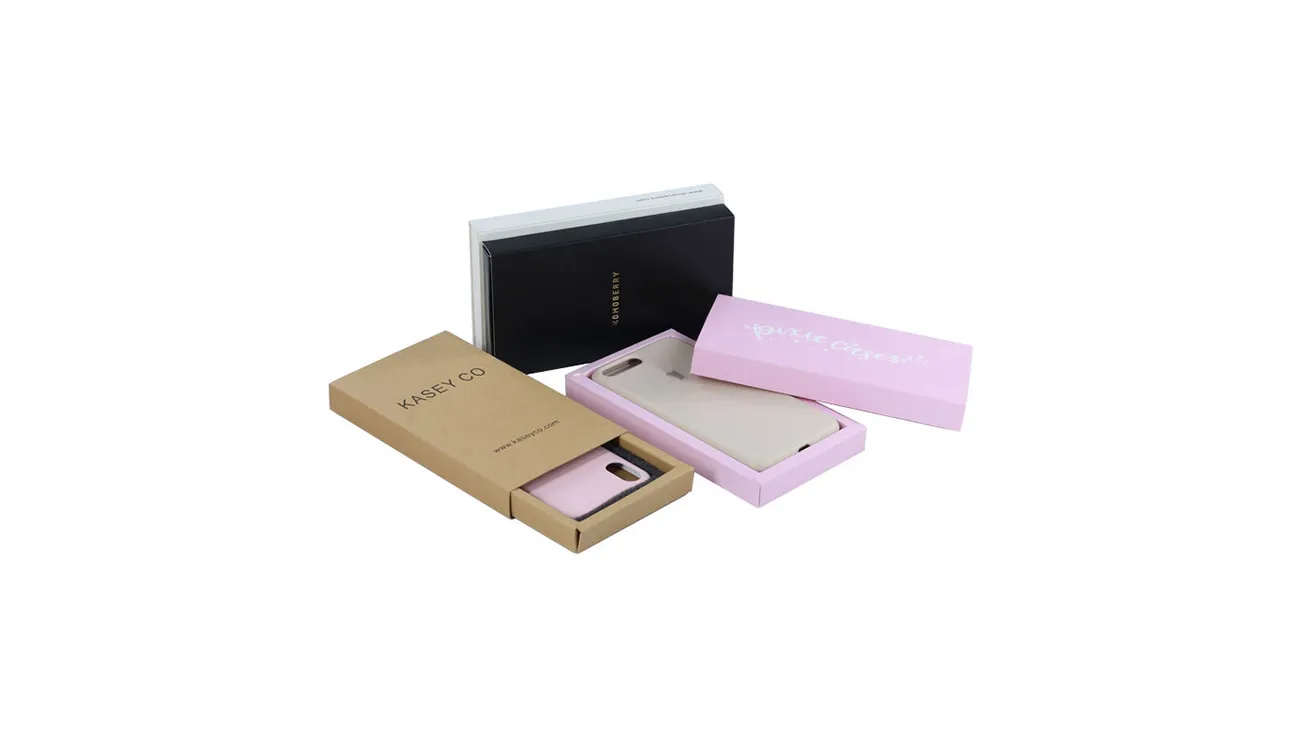
Drawer boxes are ideal for products requiring segmented display
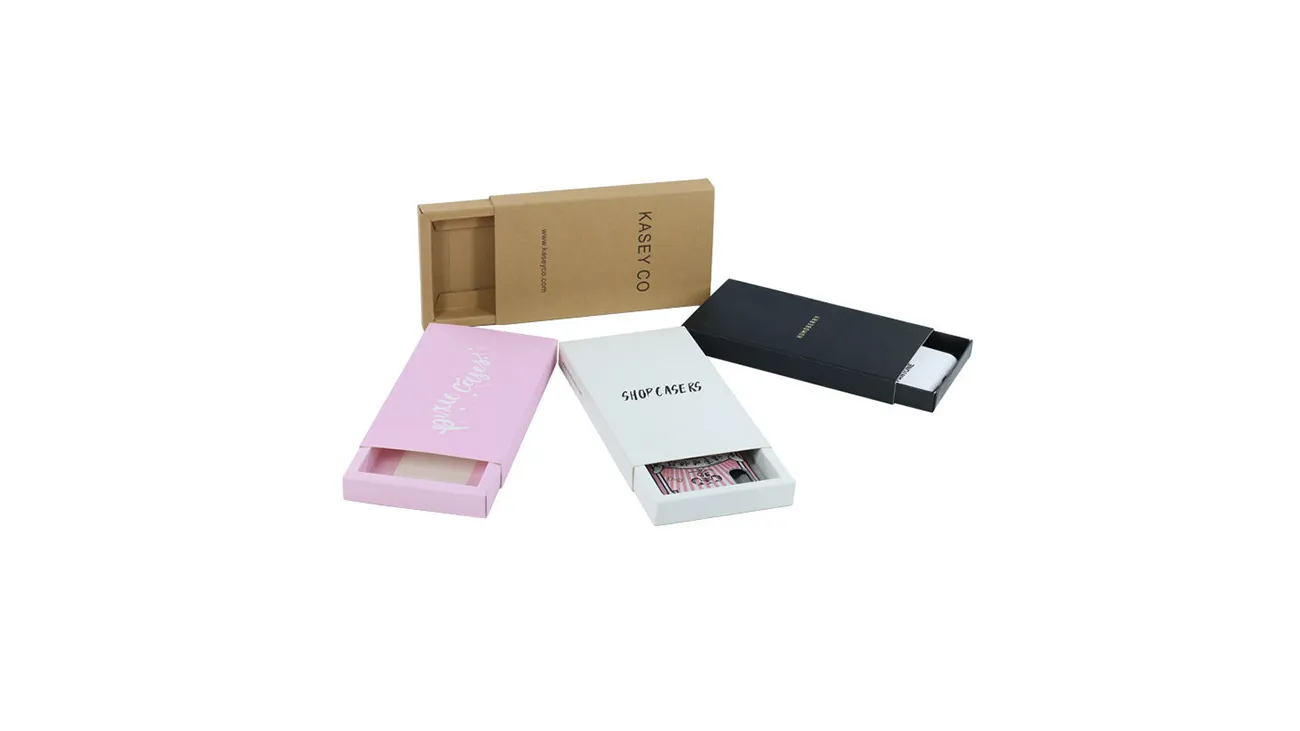
Drawer boxes consist of an outer sleeve and a sliding inner tray. The tray can be customized with compartments tailored to bottle and jar sizes, keeping multiple skincare or makeup items organized upon opening and facilitating attractive counter displays. For sets containing multiple SKUs, the drawer layout allows brands to arrange products, instruction cards, and accessories in designated positions.
The outer sleeve conceals the edges of the inner tray, but crush resistance depends on factors such as paperboard specifications, box dimensions, internal support, outer carton packing methods, and shipping conditions.
When designing drawer-style packaging for premium cross-border skincare products, verify finished dimensions and tolerances, sliding resistance, the stability of the product insert, and stacking performance after packing. Issues with the drawer being too tight or too loose often require checking dimensional fit, paper lamination thickness, and surface finishing processes.
Magnetic boxes are ideal for highlighting individual products and the unboxing experience
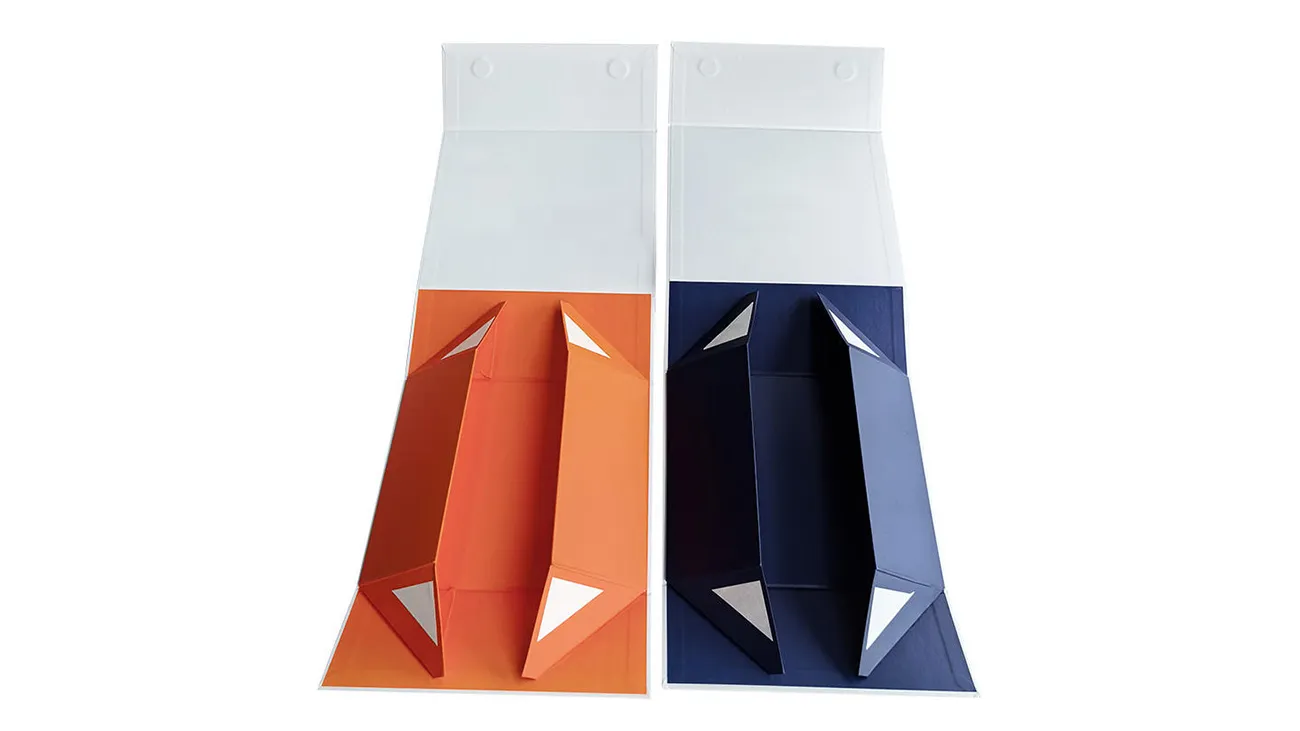
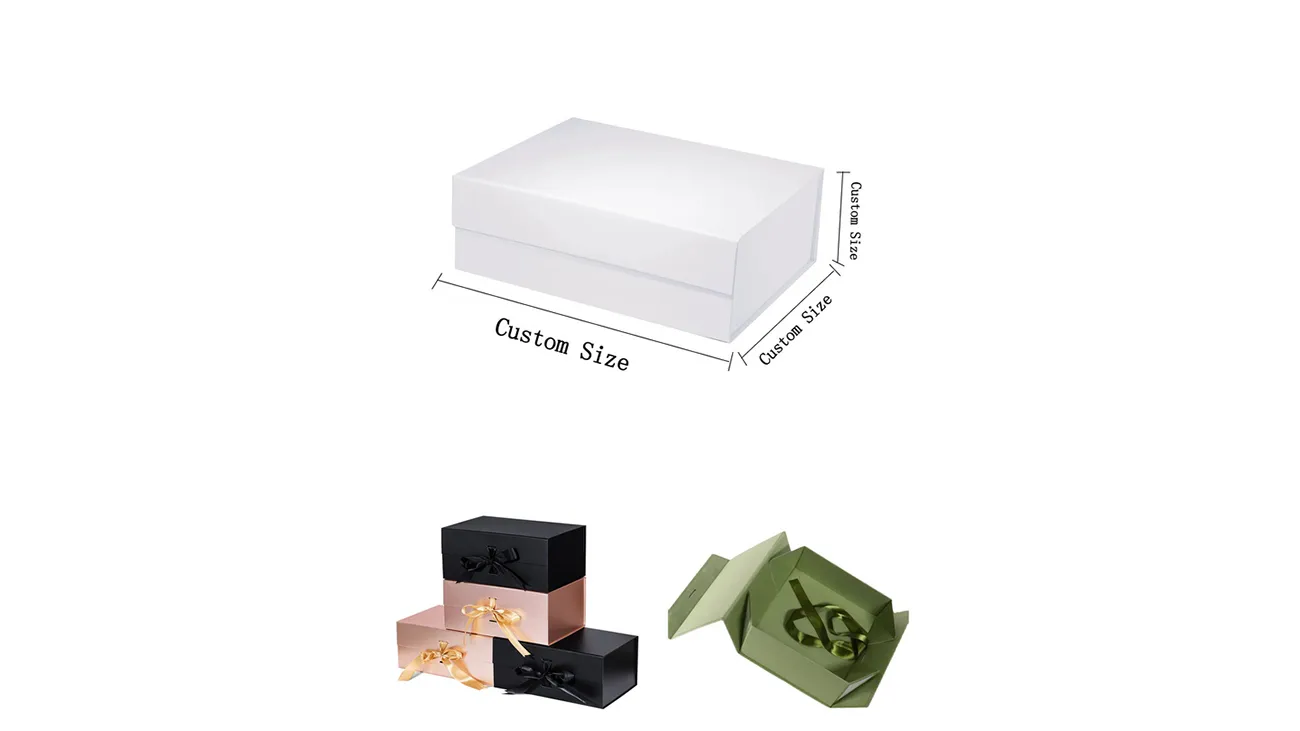
Magnetic boxes typically feature a flip-top (clamshell) structure, with magnets embedded at the closure points between the lid and the box body. The flat surface of the lid is ideal for showcasing brand logos and visual designs, while the opening and closing action creates a distinct "reveal" sequence—perfect for serums, perfumes, mini-sets, or limited-edition gift boxes. For magnetic cosmetic boxes, the design of the internal insert and product positioning is crucial to prevent bottles or jars from shifting or colliding when the box is opened.
Factors such as magnet specifications, placement, bonding method, lid dimensions, and product weight all influence the tactile feel of the closure. To determine whether vibrations or impacts during transit might cause the lid to pop open, it is essential to verify performance using actual samples, the weight of the contents, and the planned outer shipping carton.
When sourcing, ask suppliers to check magnet positioning, bond integrity after repeated use, and closure consistency, rather than relying solely on the "magnetic closure" label to judge shipping reliability.
Making a Decision Based on Four Sourcing Criteria
1. Product Weight and SKU Count
Start by listing the dimensions, filled weight, and quantity of items for each SKU. For multi-item sets requiring compartmentalized positioning, drawer-style boxes often make it easier to design the internal insert; for high-end single items or pairs, prioritize comparing the overall dimensions and the "reveal" effect of magnetic boxes. A heavy glass bottle does not automatically dictate which box type is safer; the box structure, internal insert, and outer carton must be evaluated as an integrated system.
2. Shipping Routes and Durability
Sea freight, air freight, express delivery, and overseas warehousing subject packaging to different types of stress. Evaluations should consider the finished box, the internal product securing mechanism, and the outer shipping carton. For drawer boxes, check for insert slippage or deformation of the outer sleeve; for magnetic boxes, verify closure stability and the security of the lid and magnets. When necessary, conduct drop, vibration, or stacking tests based on the destination and shipping method, and document the sample details and test conditions.
3. Brand Experience and Sales Channels
If the display strategy requires customers to view a set of products layer by layer, drawer boxes offer clear, segmented presentation. If the marketing focus is on revealing a single product, gifting, or creating "unboxing" content for social media, the flip-top action of a magnetic box creates a more cinematic, cohesive visual sequence. Regardless of the option chosen, use the actual product and the final printed sample to test opening/closing and display, then verify that the visual effect aligns with the brand positioning.
4. Total Cost, MOQ, and Export Documentation
Compare quotations based on identical finished dimensions, paperboard, printing, surface finishing, inserts, and order quantities; list prototyping, die-cutting, and other one-off costs separately. When inquiring about low-MOQ custom cosmetic boxes, confirm which structural designs, paper materials, and finishing processes the MOQ applies to; unit prices for small-batch orders may vary based on material procurement and production scheduling. Sample fees, lead times, and acceptance criteria for mass production should be based on the project quotation and written specifications.
For products sold in the EU, the PPWR applies from August 12, 2026, though specific requirements have varying implementation timelines and applicability conditions; EPR obligations must be determined based on the specific EU member state(s) where the product is placed on the market and the company's role in the supply chain. Using FSC-certified paper does not in itself prove that the entire packaging assembly complies with PPWR or EPR regulations. It is recommended to obtain certifications or chain-of-custody documentation corresponding to the actual materials and suppliers, and to verify the composition, labeling, and target market obligations of the finished packaging.
Five Key Checks During Sample Approval
1. Verify internal box space, insert openings, and product securing positions against the final product dimensions and fill weight.
2. Repeatedly open and close drawer-style or magnetic-closure boxes to check sliding resistance, closure feel, and surface abrasion resistance.
3. Check for rattling, impact, tipping, or difficulty in removal after the product is inserted.
4. Check outer carton dimensions, stacking stability, and transport protection based on actual packing methods; agree on testing methods and pass criteria in advance if necessary.
5. Document the approved sample version, materials and finishes, colors, dimensional tolerances, MOQ, lead times, and mass-production acceptance criteria in the project file.
Crown Win Packaging Project Assessment
Crown Win Packaging collaborates with brand teams to evaluate the structural direction of drawer-style or magnetic-closure boxes based on factors such as product dimensions, fill weight, SKU combinations, sales channels, and shipping routes. During the prototyping phase, key validation points include insert fit, opening/closing mechanics, finished dimensions, and shipping inspection methods. If the project requires FSC-certified materials, low-MOQ trial runs, or specific delivery timelines, please confirm the relevant paper stocks, certification scope, minimum order requirements, sample costs, and production schedules during the inquiry process; specific options are subject to supplier specifications and the written project proposal.
When submitting an inquiry, it is recommended to provide details such as product dimensions and filled weight, the number of SKUs in a set, projected order volume, target markets, shipping methods, insert requirements, and target budget. The more comprehensive the information, the easier it is for the supplier to provide comparable structural designs, samples, and price quotations.
Selecting Box Styles Based on Product and Shipping Requirements
Drawer-style boxes are ideal for multi-piece sets requiring segmented display, while magnetic-closure boxes suit gift-oriented projects that emphasize single-item presentation and the opening experience. For export orders, the priority lies not in the box style name, but in confirming final dimensions, product securing methods, closure integrity, outer carton loading, and compliance with target market documentation. When selecting custom cosmetic packaging, you might consider prototyping both structures simultaneously to compare them using the actual products and shipping plans.
To learn more about other applications for magnetic-closure structures, please read our article: "Magnetic-Closure Boxes: Why Beauty Brands Favor This Structure." If you are currently selecting packaging for a skincare or color cosmetics line, please contact Crown Win Packaging with your product dimensions, weight, quantities, and destination to discuss structural assessments and sample quotations.
 Magnetic Closure Boxes: Why Beauty Brands Favor This Design