


 Crown Win
While expanding into multiple product lines can boost revenue, the diverse requirements for custom packaging often drive up overall costs.
Separate mold development, inconsistent graphic designs, varying packaging dimensions, and fragmented supplier orders frequently lead to higher unit costs, longer lead times, and uneven quality.
Many procurement professionals mistakenly believe that cutting packaging costs means compromising material quality or the brand experience. In reality, through smart optimization of custom packaging, brands can control expenses while maintaining a premium feel, meeting export compliance standards, and ensuring a high-quality unboxing experience. This article shares practical strategies for reducing packaging costs for brands with multiple product lines (SKUs).
1. Adopt a Universal Box Structure with Variable Inserts
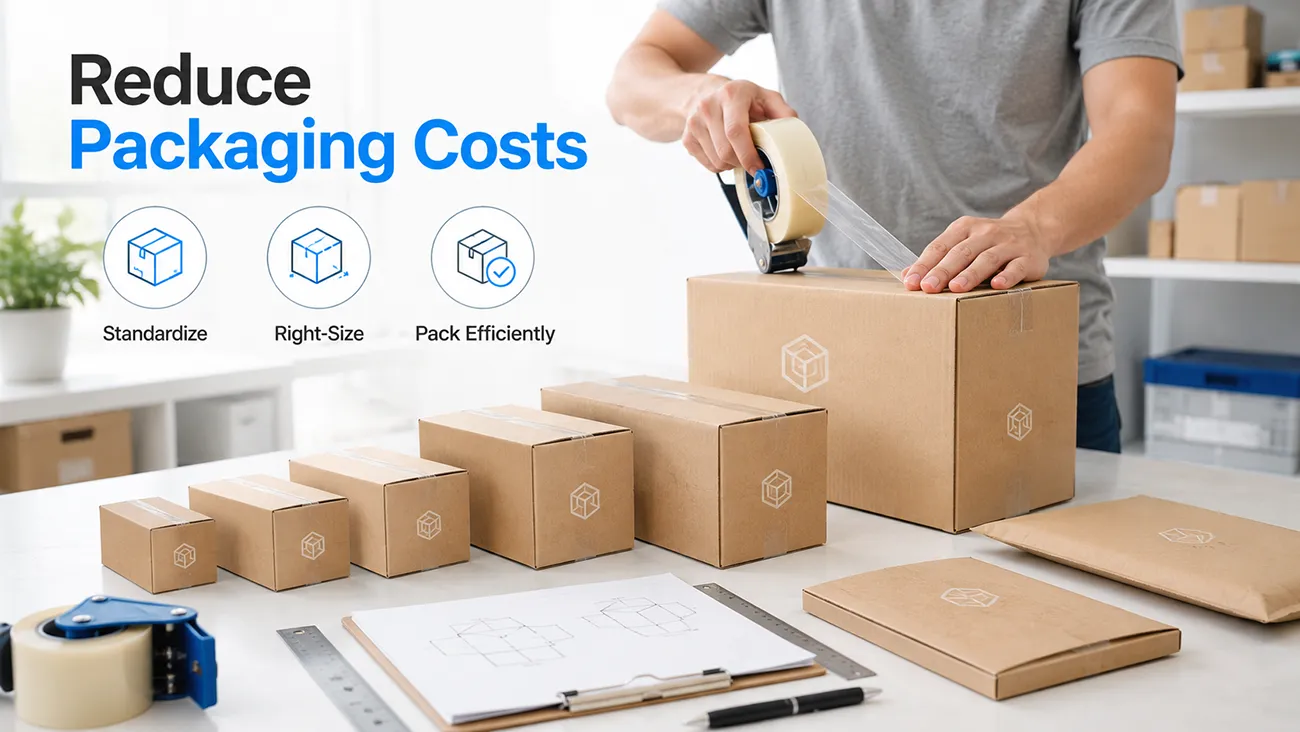
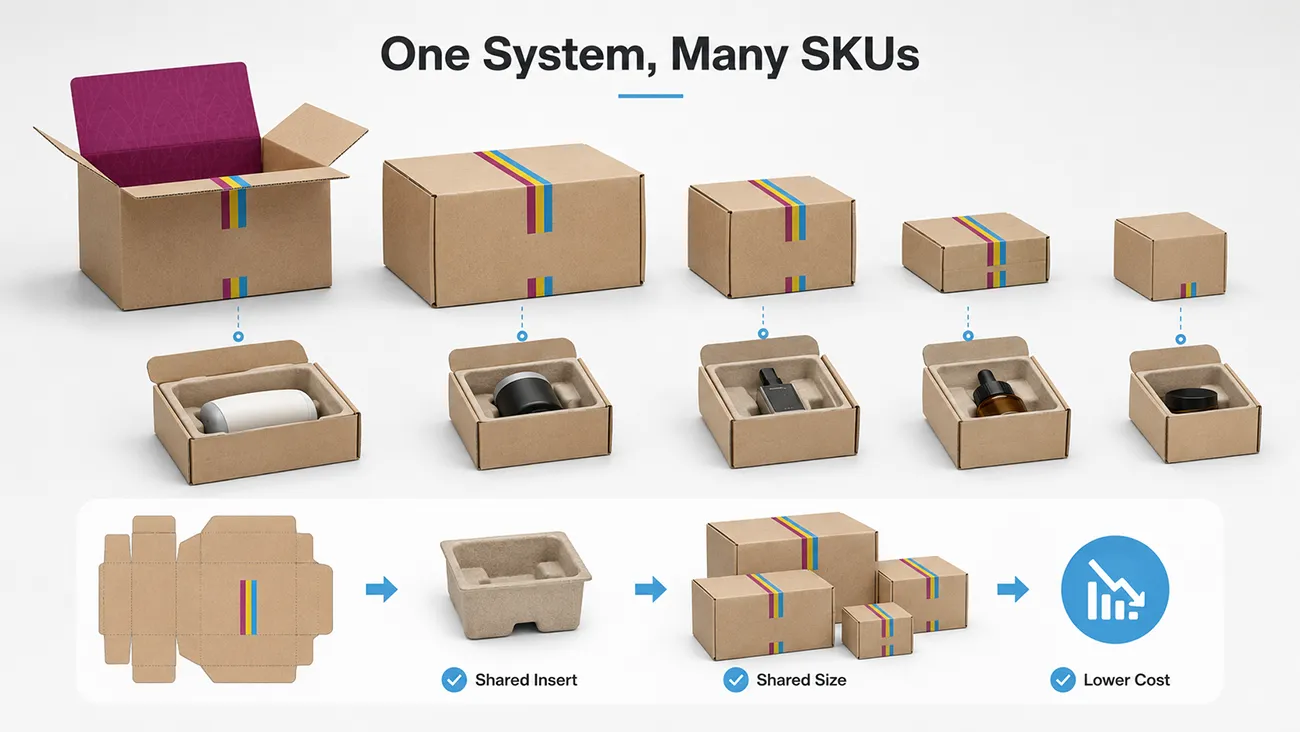
Standardizing the structural dimensions across an entire product line is one of the most efficient ways to cut costs. Instead of developing new molds for every SKU, brands can reuse the same outer box and simply swap out custom paper inserts to accommodate different bottle sizes or gift items. This approach eliminates redundant mold costs, shortens prototyping cycles, and simplifies inventory management for export orders. Brands can still differentiate product lines through variations in printing, hot stamping, and surface finishes.
2. Standardize Graphic Designs and Material Specifications
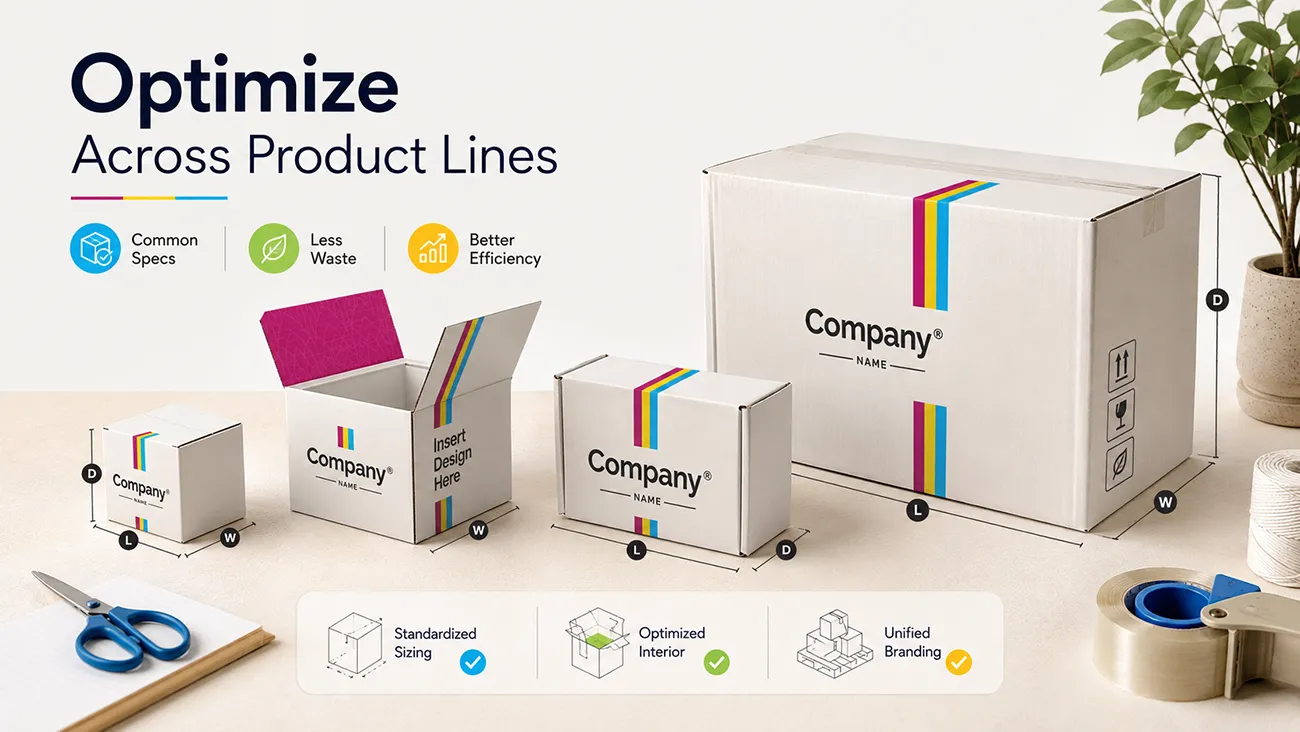
Using different paper stocks, coatings, and printing requirements across product lines incurs additional procurement and production costs. Establishing unified material and process standards for the entire product range helps reduce raw material waste, streamline quality control (QC) processes, and stabilize unit prices. For brands exporting to Europe, material standardization also simplifies compliance with PPWR (Packaging and Packaging Waste Regulation) and EPR (Extended Producer Responsibility) requirements, reducing the risk of customs detention.
3. Optimize Order Batches While Maintaining Flexibility
While consolidating orders into large batches can secure better unit prices, many brands struggle to manage the resulting inventory pressure. Combining large-scale consolidated production for core SKUs with smaller, low-MOQ (Minimum Order Quantity) production runs for limited-edition products helps control total expenditure. Poor batch planning often leads to excess inventory or high surcharges due to urgent, small-batch replenishment needs. Effective batch planning balances costs, cash flow, and time-to-market.
4. Early engineering reviews to prevent late-stage production losses
Cost inefficiencies—such as dimensional errors, mismatched inserts, color variations, or non-compliant labeling—often only surface after production begins. Pre-production engineering reviews identify structural, printing, and compliance issues before mass production, thereby avoiding costly rework, product returns, and export delays.
Customer Case Study
A French skincare brand with multiple product lines—ranging from serums and creams to travel-sized trial kits—previously commissioned custom packaging boxes for every individual SKU. The reliance on a vast number of unique die-cutting tools resulted in high upfront costs, long lead times, and inconsistent quality across product lines.
By partnering with Crown Win Packaging, the brand adopted a solution featuring a universal rigid outer box paired with interchangeable paper inserts to accommodate various products. They standardized their FSC-certified paper substrates and core manufacturing processes. Core SKUs were consolidated for large-scale production, while seasonal limited editions utilized a low-MOQ (Minimum Order Quantity) replenishment model. Pre-production engineering checks ensured all packaging featured recycling symbols compliant with EU standards. The client significantly reduced overall packaging expenditure and shortened average lead times.
Crown Win Packaging: Manufacturing Capabilities
As a Chinese paper packaging manufacturer serving global export brands, Crown Win Packaging has spent 18 years addressing common cost-control challenges in multi-product line projects. Our engineering team provides universal structural packaging solutions to minimize redundant investment in tooling. We support both large-scale consolidated orders and flexible, low-MOQ batches for limited-edition products. Rigorous, end-to-end quality control ensures consistency in printing and structure across your entire product range. Our team is well-versed in international export compliance regulations, preventing costly rework through pre-production reviews. Stable production scheduling helps brands balance cost targets, inventory pressure, and time-to-market.
Conclusion
Reducing packaging costs across product lines does not require compromising on quality or brand image. By leveraging smart mold reuse, standardized specifications, rational batch planning, and pre-production technical reviews, brands can control costs while maintaining a premium product feel and ensuring compliance with export regulations.
Are you seeking cost-optimized custom packaging solutions for an expanding product line? Contact our packaging experts for practical advice and factory quotes.
 Anti-Counterfeiting Packaging: How Luxury Brands Protect Their Products