


 Crown Win
Your logo looks right in the PDF. Then the sample arrives, and the navy on the box looks darker than the navy on your product label. Before asking the printer to change the ink, check what you are comparing: a screen image, a printed reference, or the finished packaging.
To approve packaging print colors, agree on a physical reference, check a sample that represents the intended paper and finish, and record what the supplier should use for production and reorders. This is especially useful when a gift box, sleeve and label will appear together.
1. Decide which colors need the closest match
Start by identifying the colors customers will see side by side. A brand logo on the front of a box may need a closer match to the bottle label than a background illustration inside the lid. Mark those priorities on the artwork or in the purchase brief.
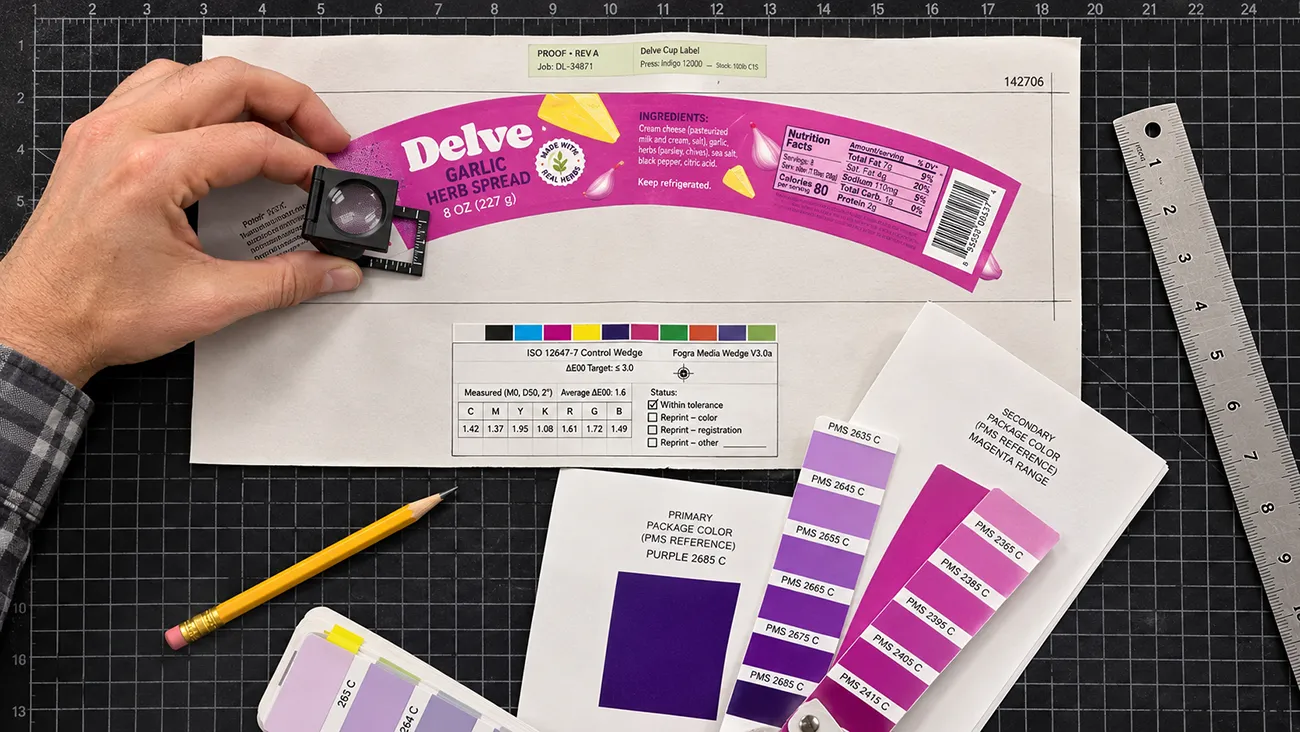
Give the supplier a physical reference where possible: a current printed swatch, an approved box from a previous run, or a finished label that the new box needs to sit beside. If you specify a Pantone color, include the full reference, including the C or U suffix. Pantone explains that the same ink color can look different on coated and uncoated paper. A swatch sets a target; it does not establish what the color will look like on your finished box. Pantone’s coated and uncoated guide
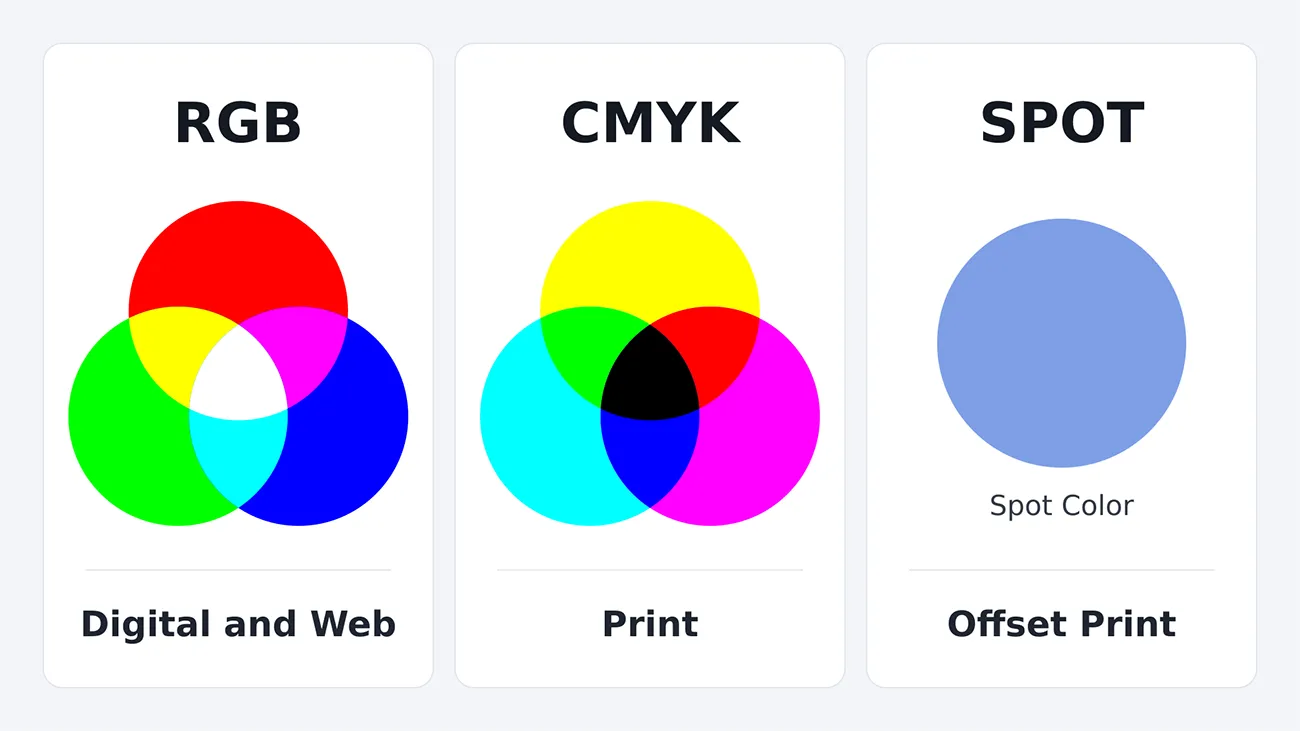
Ask how the supplier plans to reproduce the color. A CMYK simulation and a separately mixed spot ink are different production choices. If the supplier proposes a different method for the sample and the final run, ask how that difference affects what you can approve.
2. Request the proof that answers your question
A PDF proof is useful for checking copy, artwork placement and the version of the design. A standard PDF viewed on a screen is not enough to approve the appearance of the finished print.
A printed proof gives you a physical color reference. Ask whether it uses the proposed paper and print process, or whether it is a simulation. If the question is how a dark background looks under matte lamination, ask to see the print with the proposed finish applied.
A finished box sample lets you review color across the panels customers will actually see. For a large block of brand color, check the front, side and lid together. For a design that crosses an edge, check how it looks after folding or assembly. Confirm which materials and processes the sample represents before treating it as the production reference.
3. Compare the sample beside the matching components
Put the finished sample and reference next to each other under the same agreed lighting. If the packaging will be displayed with a bottle or a sleeve, include those components in the review. A shade difference that looks minor when the pieces are checked separately may be more noticeable when they sit together on a shelf.
For a box designed around an unprinted white area, compare the actual paper and finish as well as the printed logo. A warmer paper white beside a cooler white label can change the appearance of the set even when the logo ink has not changed.
If you request a revision, identify the panel, color and comparison point. For example: “The navy on the front panel looks more purple than the approved label under the agreed lighting. Please review it on the proposed wrap paper with the matte finish applied.” That gives the supplier a specific difference to investigate.
4. Keep a reference for production and reorders
Record the approved sample ID, artwork revision, paper or wrap specification, print method and finish. If a color is critical, agree with the supplier on how it will be judged, where it will be checked, and what variation is acceptable. If you require instrument readings, agree on the measurement method and tolerance before production.
For a reorder, send the approved reference again and ask whether the paper, ink or finish has changed. If a material must be substituted, agree on whether to approve a new proof before the full run. That gives both teams a clear point of comparison when cartons from different orders will appear together.
What to send with a packaging quote request
Include your artwork, the critical colors, the components that must match, the proposed paper and finish if known, and the quantity you plan to order. If you already have a box, label or swatch to match, say so in the first inquiry so the supplier can recommend a proof that answers the right question.
Preparing a custom packaging project? Share your artwork and color references with Crown Win and ask which sample would best represent the proposed materials, printing and finish.
 Can Different Products Share the Same Gift Box Size?