


 Crown Win
A box’s outside measurements describe its overall footprint. They do not tell you exactly how much usable space is available for the product. Board thickness, the box structure, an insert and the clearance needed for packing can all affect the interior.
For a product with an unusual shape or fragile details, a box can match the dimensions on a drawing and still be a poor fit. Before approving a custom box, confirm which measurements are internal, measure the product in its ready-to-pack condition, and check the fit with the insert.
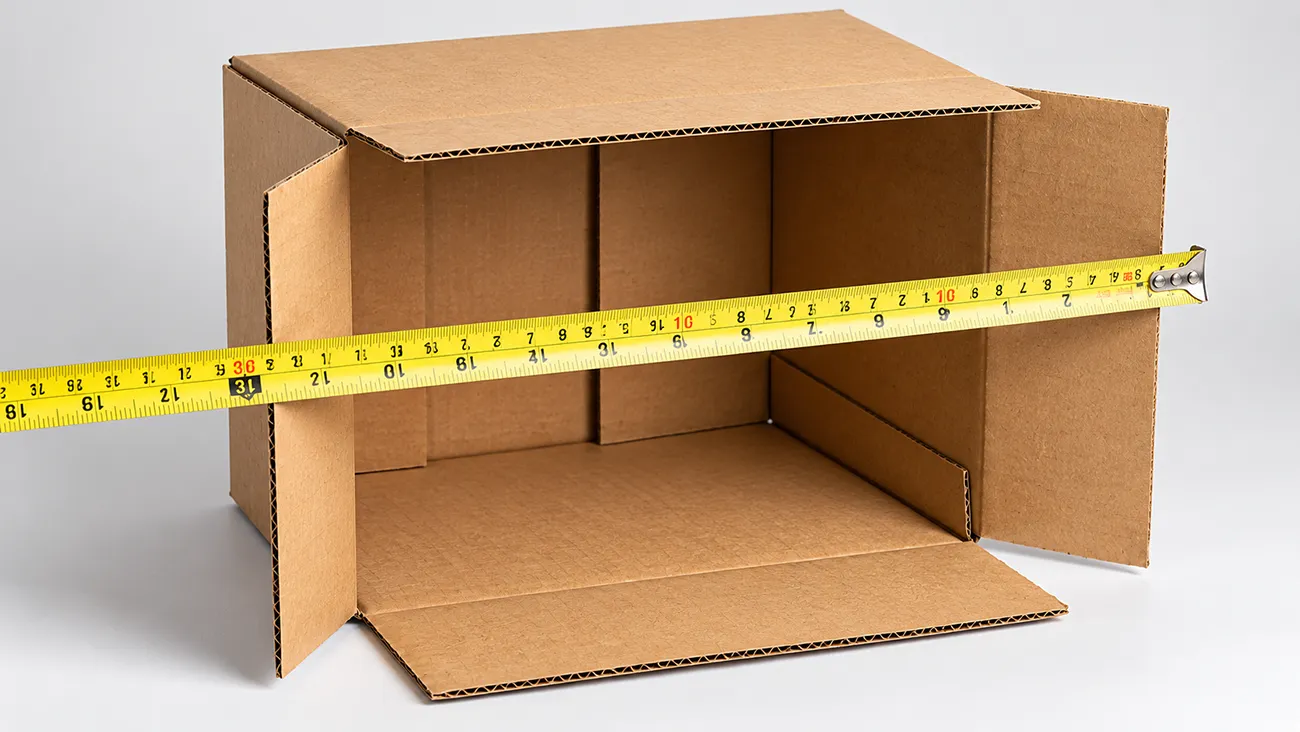
Inside dimensions and outside dimensions serve different purposes
Outside dimensions describe the assembled package’s overall size. They can help with storage, shipment planning and determining how boxes fit into a master carton.
Inside dimensions describe the space available for the product and insert. These are the measurements to check when deciding whether the contents will fit.
The two sets of dimensions are not interchangeable. A box’s interior is affected by the board and construction. For a rigid box, folding carton or other custom structure, the difference depends on the materials and design. Ask the supplier to label dimensions clearly on the drawing rather than assuming a quoted size is internal.
Measure the product as it will be packed
Measure the product in the condition in which it will go into the box. Include attached parts, caps, closures, handles or other protrusions. If the product will be placed in a sleeve, pouch or protective wrap first, measure it with that packaging in place.
For an irregular or fragile item:
1.Measure the widest, tallest and deepest points.
2.Note protrusions and fragile areas that must not be pressed.
3.Provide photos from multiple angles.
4.Share the product’s orientation in the box.
5.Use a physical product or reliable sample when possible.
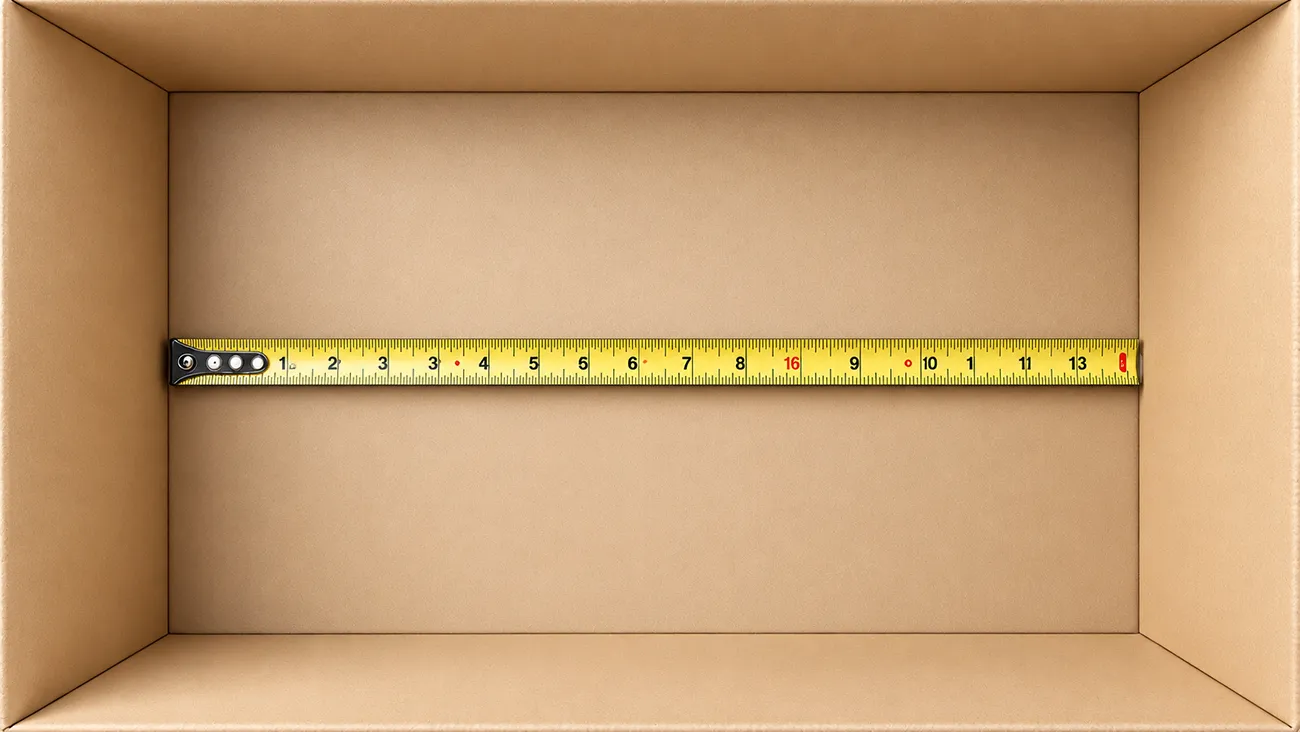
A single length, width and height measurement may not describe a curved, tapered or asymmetrical product well. A drawing or set of photos can show where the product needs extra space or support.
Account for the insert and packing clearance
The box and insert should be planned together. An insert takes up part of the interior space, and its cavities must match the product’s shape and the way it will be packed. Also consider how much room is needed to place and remove the item without damaging it.
The insert should hold the product in suitable support areas. It should not put pressure on delicate details, glass edges, pumps or other components that could be damaged. For a multi-part set, confirm that accessories have their own positions and will not shift into the main product.
There is no single clearance amount that works for every box. The right fit depends on the material, structure, product shape, insert design and packing process. Ask the supplier to confirm the intended fit using the actual product or an agreed sample.
Check how the box opens and closes
A product may fit inside an open box but interfere with the lid, flap or closure once the box is assembled. Check the full interior and the closing path, particularly for tall products, protruding parts and inserts that hold an item near the top.
For a lid-and-base box, confirm the usable depth of the base and whether the lid overlaps the area where the product sits. For a folding or tuck-end carton, confirm that the product and insert do not obstruct the flaps or closure. The supplier should review the assembled structure, not just the flat dieline.
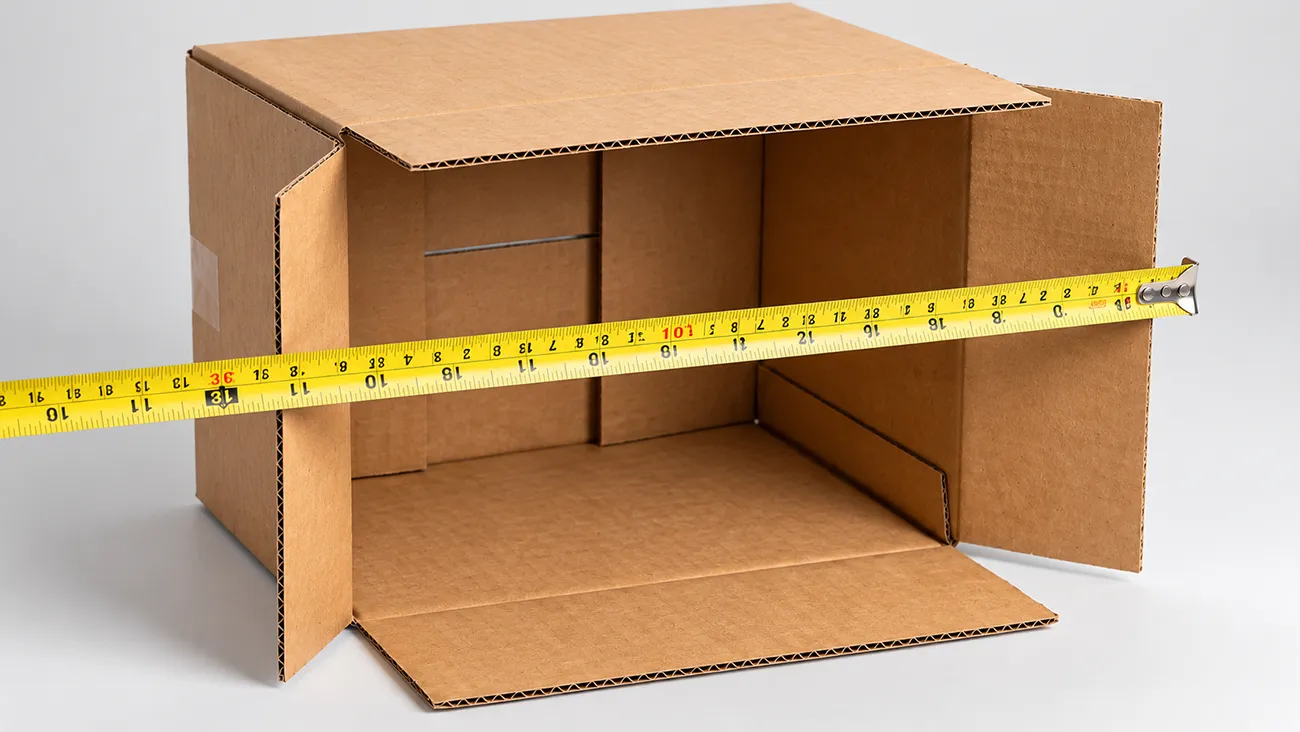
Approve the box and insert as one fit test
A dimensioned drawing is useful for reviewing the planned size, but a physical fit check can reveal issues that are hard to judge on screen. When fit or protection is important, review the actual product in the assembled sample with the proposed insert.
During the fit check, confirm that:
1.The product can be placed into and removed from the box as intended.
2.The insert supports stable areas without pressing fragile details.
3.The lid or closure works without forcing the contents.
4.Accessories remain in their intended positions.
5.The packed product does not move in a way that creates a known risk.
If the final product is not ready, label the dimensions as provisional and agree on what must be rechecked when the finished product becomes available.
A buyer inquiry: a glass dome with a delicate detail
In an anonymized U.S. inquiry, a buyer asked about a rigid lid-and-base gift box for a candle under a glass dome. The dome had a delicate detail at the top, and it was not yet clear whether the proposed box measurements referred to the inside or outside. The buyer also wanted a protective insert that would not press on the fragile top.
This is why the box outline alone was not enough. The usable interior, insert layout and product support points all needed to be considered together.
This example is based on an anonymized buyer inquiry. The product details are specific to that inquiry and do not represent a standard box specification.
What to send for a box-fit review
To help a supplier review the dimensions, prepare:
1.Product length, width and height at the widest points
2.Photos or a drawing showing the product from several angles
3.Details of protrusions, fragile areas and required orientation
4.Measurements of any sleeve or protective wrap used before boxing
5.A list of accessories that will share the box
6.Preferred box style or a reference image
7.Insert requirements and packing sequence
8.A physical product or sample, if available
If any measurements are estimates, label them clearly. Confirm whether the supplier is quoting internal or external box dimensions and which product version those measurements refer to.
Frequently asked questions
Should I provide internal or external box dimensions?
For product fit, provide the product’s measurements and ask the supplier to specify the box’s usable internal dimensions on the drawing. External dimensions are useful for packaging footprint and shipping planning, but they do not show the available space inside.
Does the insert reduce the space available for the product?
Yes. The insert occupies part of the box interior, so the product cavity and insert layout need to be checked along with the box dimensions. Review the box and insert as one assembled package.
Can I approve the size from a drawing alone?
A drawing can help confirm the intended dimensions and structure. If the product has a close fit, unusual shape or fragile area, use the actual product or an agreed physical sample to verify fit before production.
Confirm the usable space before approving the box
Start with the product’s ready-to-pack measurements, clarify whether the quoted box size is internal or external, and review the insert and assembled box together. This gives everyone a clearer basis for confirming product fit.
Share the product dimensions and photos of any fragile areas with Crown Win to begin a box-fit review. See the available customization options for box styles, materials and insert choices.
 Box Price vs. Landed Cost: What Is Included?