


 Crown Win
Many B2B brand buyers spend considerable time refining the visual design of their packaging boxes but often overlook the unique textural effects produced by different paper types.
This oversight can lead to disappointing results: an exquisite design might look cheap when printed on thin, glossy paper, or a rough-textured paper might clash with a minimalist brand image.
For beauty, wellness, and gift brands exporting overseas, inconsistencies in paper texture between batches can not only damage the brand image but also trigger compliance issues in markets like the EU.
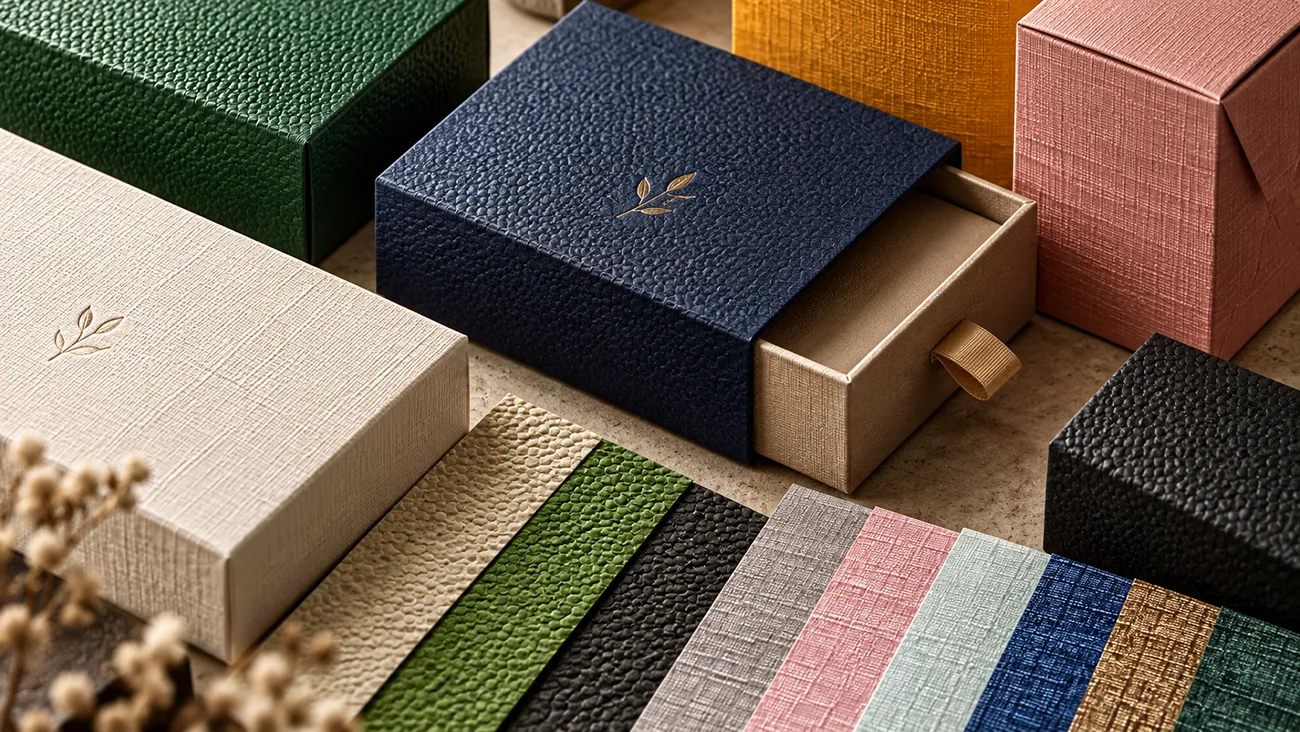
Common Paper Textures for Custom Boxes
1. Smooth Coated Paper
Features a smooth surface with low friction, making it ideal for crisp, high-resolution printing.
Pros: Vibrant colors, easy to reproduce, and stable performance during long-distance ocean shipping.
Cons: Offers a less premium tactile feel compared to specialty papers.
Best for: Bold graphic designs and brands with vibrant color palettes.
2. Matte Textured Specialty Paper
Features a fine texture and a soft, non-reflective feel; a top choice for luxury packaging.
Pros: Enhances perceived value, resists fingerprints, and is suitable for embossing or debossing techniques.
Cons: Ink colors appear softer (less vivid); requires testing prior to mass production.
Best for: Cross-border skincare products, perfumes, and high-end gift boxes.
3. Rough Kraft & Recycled Textured Paper
Displays visible natural fiber textures, effectively conveying a commitment to sustainability. Pros: Eco-friendly; compliant with FSC standards and the EU PPWR (Packaging and Packaging Waste Regulation); ideal for brands emphasizing a natural ethos.
Cons: Fine print details may become blurred; color matching can be challenging.
Ideal for: Sustainable luxury brands and organic beauty product lines.
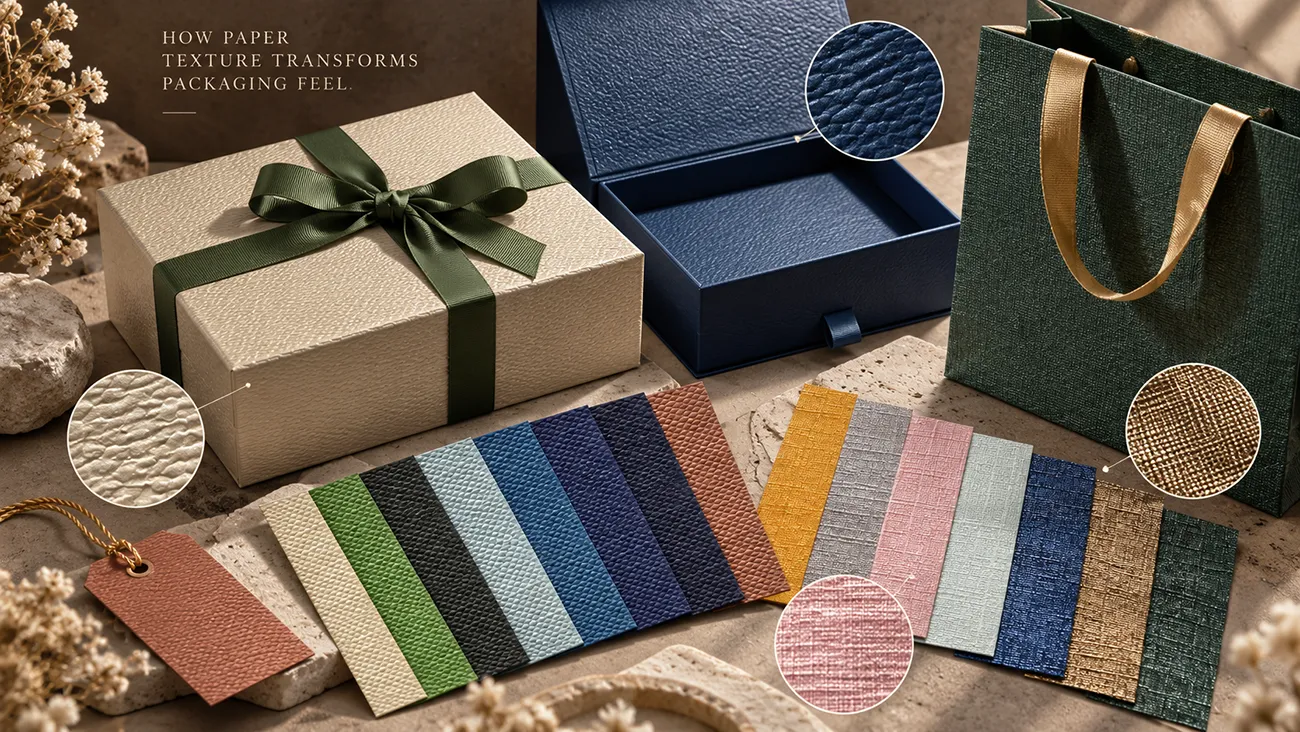
How Paper Texture Affects Brand Perception and Export Logistics
1. Emotional Value of the Unboxing Experience: A unique tactile feel creates a memorable unboxing moment, boosting social media sharing rates for luxury e-commerce brands.
2. Batch Consistency: Some specialty textured papers have limited stock. Poor material selection can lead to shipping delays or inconsistencies in texture across different orders.
3. Transit Wear and Tear: Deeply textured surfaces are prone to abrasion during long-haul ocean freight. Papers with smooth surfaces or fine, tight textures offer superior scratch resistance, making them better suited for export shipping.
4. Sustainability Compliance: For goods exported to the EU, ensure the selected textured paper holds FSC or recycled material certification to meet local packaging regulations.
Brand Advantages
Our packaging team assists brands in selecting the right paper texture based on their style, budget, and target export markets. Crown Win provides physical paper swatch books and pre-production samples, allowing you to experience the tactile quality firsthand before mass production begins. We implement strict quality control for batch consistency, support small-batch trial runs (low MOQ) for new brands, ensure reliable delivery timelines for global orders, and offer FSC-certified textured paper options that meet EU compliance requirements.
Conclusion
Paper texture is far more than just a visual detail—it defines the customer's initial tactile interaction with your luxury packaging. Whether it is matte texture, recycled kraft paper, or smooth coated paper, each material tells a distinct brand story while presenting unique considerations regarding printing processes, logistics, and cross-border compliance. We invite you to read our related article, "Visual Texture and Physical Tactility in Custom Packaging," to gain deeper insight into the various surface finishing options available.
Contact our team today to request a paper texture sample book and kickstart your luxury paper box customization project.
 Designing Custom Packaging Inserts for Multi-Product Sets