


 Crown Win
Brand buyers often see only the beautifully printed custom boxes arriving at their warehouses, with little insight into the complex production processes behind each order.
Miscommunication regarding factory workflows frequently leads to unrealistic delivery expectations, substandard quality, unexpected rework, and export delays.
When sourcing paper packaging overseas, brands need a clear understanding of the entire production process to set reasonable timelines, verify quality standards, and avoid costly production errors. Understanding the full factory workflow helps importers select the right suppliers for cross-border custom packaging projects.
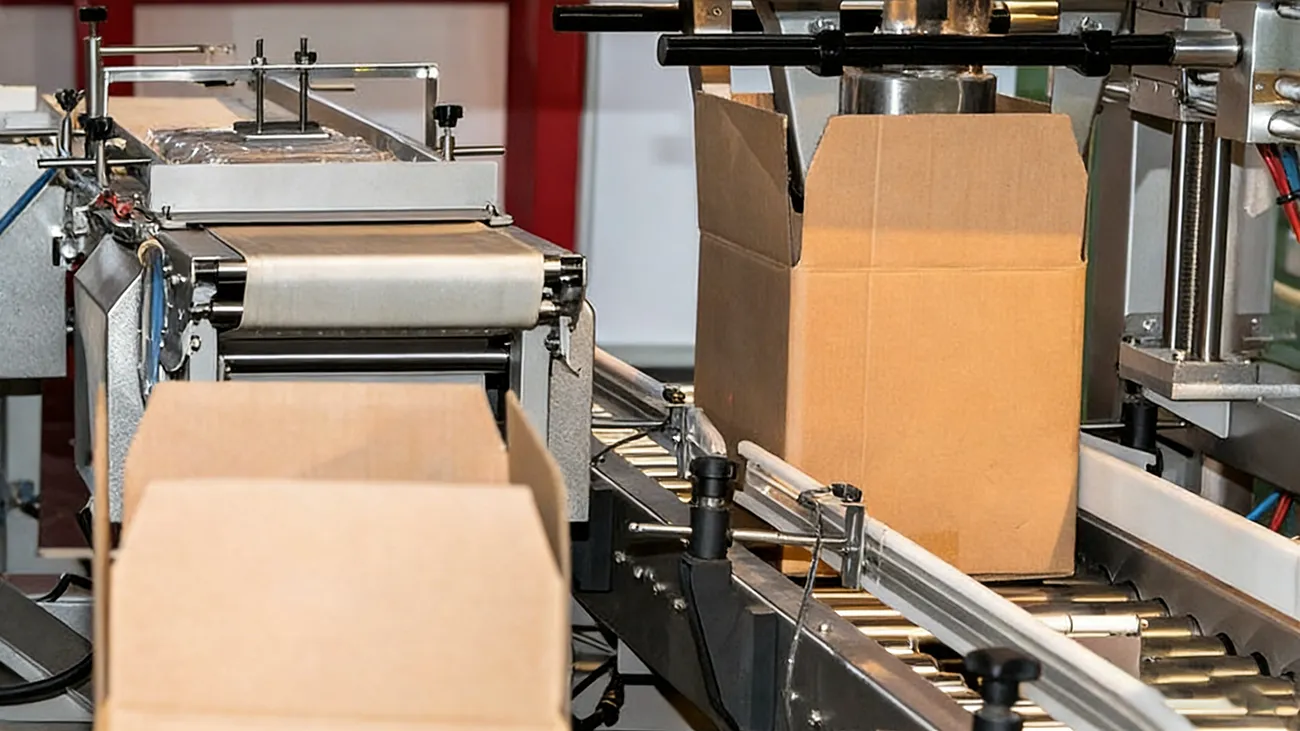
1. Material Selection and Pre-production File Review
Everything begins with confirming paper materials and validating design files. Engineers select paper grades—such as coated paper, recycled paperboard, or FSC-certified board suitable for export markets—based on brand requirements, product weight, and EU regulatory standards.
The technical team reviews print files for color modes, bleed areas, die-cut lines, and markings required for PPWR and EPR compliance. Errors at this stage can lead to defects in mass production. Experienced factories identify design issues before any paper is cut.
Practical Tip: For orders destined for the EU, confirm recycled material content claims and mandatory print markings during the pre-production phase.
2. Die-cut Development and Prototyping
Once materials and designs are finalized, the factory creates custom die-cutting molds based on your box structure. Factories typically produce a physical pre-production sample for structural testing, print color matching, embossing, hot stamping, and other surface treatments.
This stage is crucial for buyers to test the box's fit, ease of assembly, and tactile quality. Many brands overlook thorough sample verification, only discovering structural defects after mass production has begun. The prototyping process allows brands to test multiple box designs before committing to large orders.
3. Printing, Surface Finishing, and Box Forming
Mass production begins once the sample is approved. This is followed by surface finishing processes such as lamination, hot stamping, embossing/debossing, and UV coating. Next, the paper undergoes processes such as die-cutting, creasing, folding, and gluing to form the final flat-folded carton. Each processing step impacts the final appearance and durability. For export orders, cartons are shipped flat to minimize shipping volume and logistics costs.
4. Multiple Quality Control Checks Before Export Packaging
Quality inspections are integrated into the entire workflow: raw paper inspection, print color consistency checks, structural dimension testing, defect screening for finished goods, and final random batch inspections prior to packaging.
Substandard or damaged cartons are discarded at this stage. For shipments to the EU, we double-check regulatory compliance documentation before the goods leave the factory. Poor quality control can result in defective cartons reaching overseas warehouses, thereby delaying a brand's time-to-market.
Supplier Selection
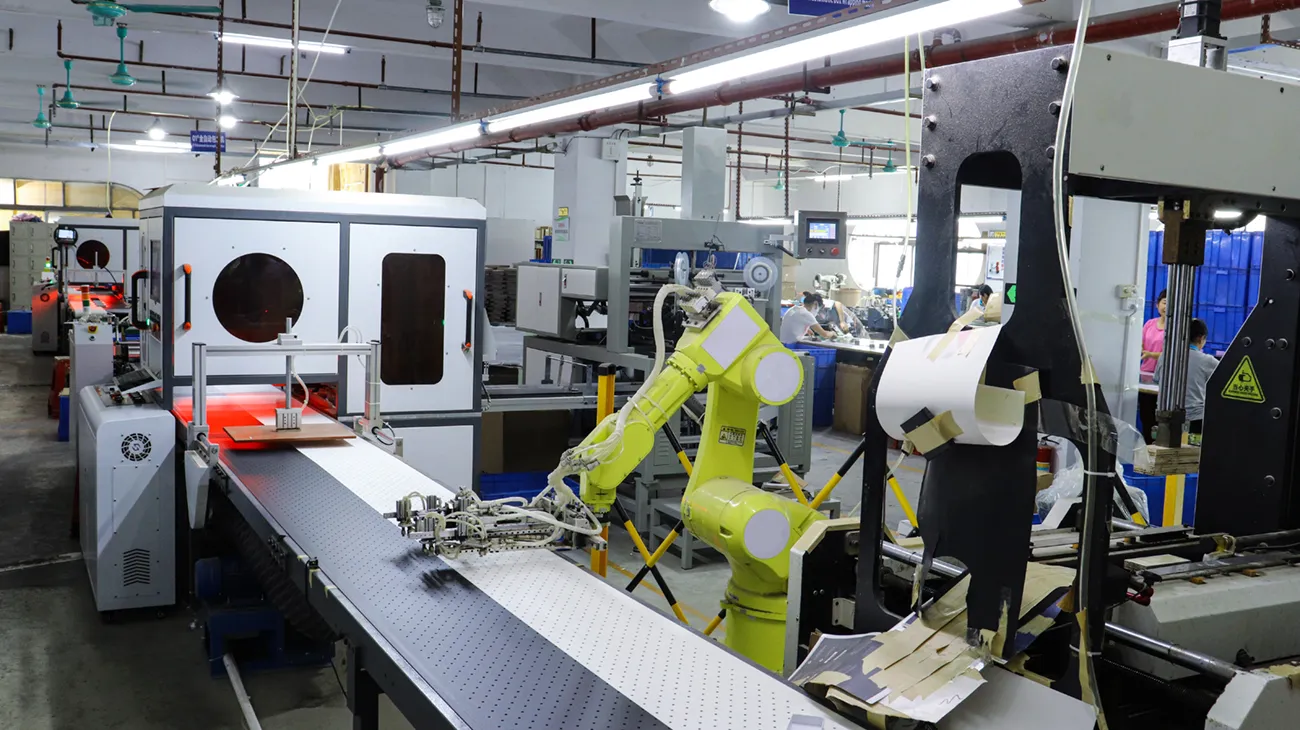
At Crown Win Packaging, our entire factory workflow is structured around the needs of cross-border brands ordering custom-printed cartons. Our technical team reviews designs and material specifications at the project's outset to identify potential export compliance risks early on. We provide precise physical pre-production samples for validation and support small-batch trial runs for new brands. Multiple rounds of internal quality checks—covering printing, surface finishing, and structural integrity—help minimize defect rates. Our production planning balances custom craftsmanship with predictable shipping timelines, ensuring smooth delivery to Europe and other global markets. Brands receive transparent process updates throughout production, eliminating the uncertainties often associated with sourcing packaging from China.
Conclusion
Creating high-quality custom cartons involves material selection, document review, sampling, production, and rigorous quality inspection. Understanding this comprehensive factory process helps overseas buyers set realistic delivery schedules, reduce the risk of rework, and ensure consistent packaging quality across their product lines.
You may also be interested in our related article: When Should Brands Upgrade Their Packaging?
If you are sourcing custom paper packaging for export and want a clear understanding of the production steps, please contact Crown Win Packaging for a free project assessment.
 When Should a Brand Upgrade Its Packaging?