


 Crown Win
A first packaging order is a balancing act. You need enough boxes to launch or test demand, but you may not want to commit to a large quantity before sales are predictable. The right starting point is not a universal minimum order quantity (MOQ). It is a clear brief that lets a packaging supplier compare suitable structures, print methods, and costs for your product.
Before requesting a quote for small-batch custom packaging, define what the box must hold, how it will be used, and what you expect to reorder. These decisions can make a small first run easier to evaluate and repeat.
1. Map the complete product set
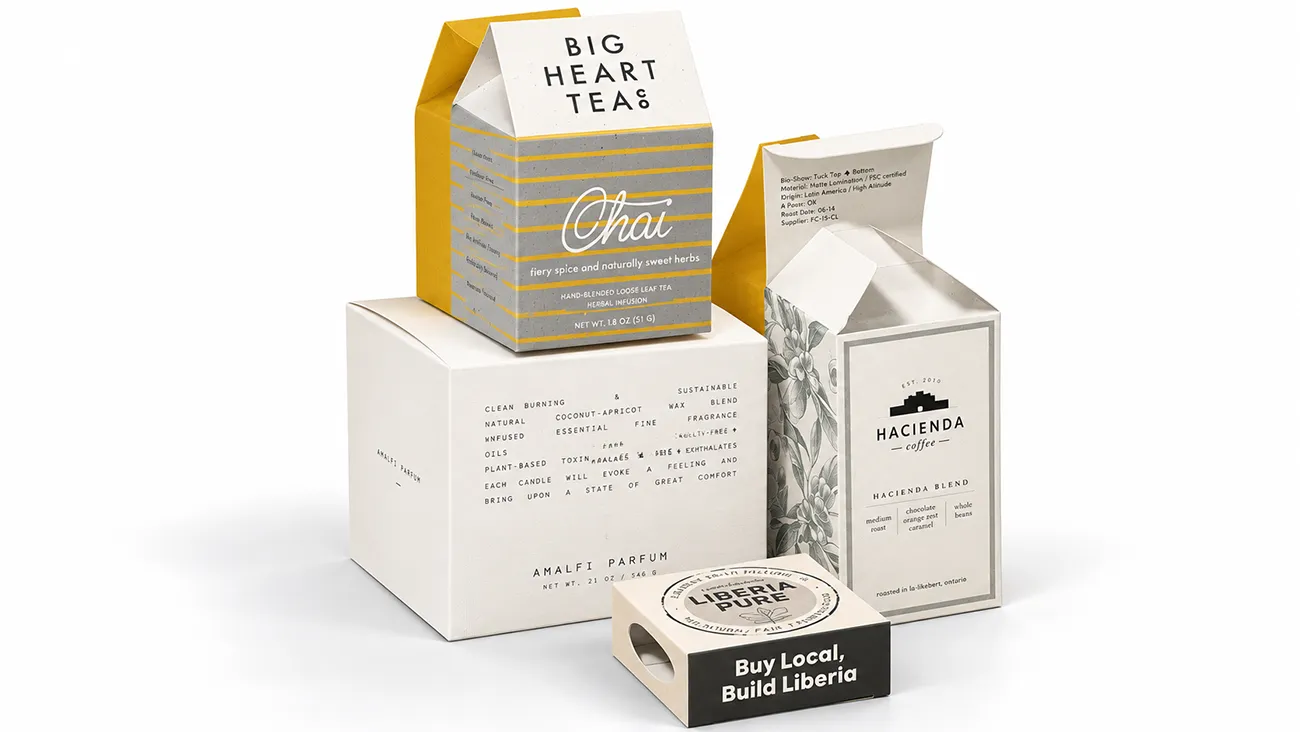
List every item that will go inside the package, including cables, accessories, instruction cards, samples, or a pouch. Record each item’s dimensions and, where relevant, weight and fragile areas. A box that fits the main product may still be difficult to pack if accessories move around or the insert leaves no room for assembly.
For a multi-item kit, share a simple layout or product photo with measurements. Identify which items must stay separated, which face should be visible when the box opens, and whether the product will be packed by hand or as part of a production line. This gives the supplier useful information for discussing an insert and internal layout.
2. Choose the job the package needs to do
Decide whether the box is primarily for retail display, gifting, direct-to-consumer shipping, or protection inside a separate shipping carton. The use case affects the structure and material discussion. A presentation box may prioritize an organized reveal, while a shipping box may need to withstand handling and fit the fulfillment process.
Also confirm whether the custom box itself will travel through parcel networks. If it will, share the shipping method and any known handling requirements. Do not assume that a decorative box and an outer shipping box provide the same protection.
3. Compare a practical structure with a fully custom one
Ask the supplier to compare a suitable standard-style construction with a more customized structure, if both are feasible for the product. A simpler structure may reduce some setup or assembly requirements, while a custom insert or opening can improve product fit and presentation. The best option depends on the product, quantity, packing method, and intended experience.
Avoid choosing by appearance alone. Ask what changes between the options: internal space, insert design, material, assembly steps, shipping efficiency, and any tooling or setup charges. Crown Win’s customization options describe available box styles, materials, printing, finishes, and inner trays; the appropriate combination should be confirmed for each project.
4. Treat MOQ and setup cost as project-specific
There is no single MOQ that applies to every custom box. Minimums and pricing can vary with the structure, material, printing process, finishing, insert, and production setup. A digital print option may be more suitable for some small runs; the website describes digital printing as a method that requires no printing plate and can be cost-effective for small runs. That does not mean every specification or quantity will qualify for the same price or minimum.
Request a quote based on a defined specification and ask the supplier to show relevant charges separately where possible, such as sampling, tooling or setup, unit price, packing, and freight. If you are comparing quantities, keep the box specification the same across each tier. Otherwise, a lower unit price may simply reflect a different product.
5. Check the sample and approval path
Before production, confirm what will be reviewed and approved: dimensions, insert fit, artwork, colors, material, finish, and assembly. A digital proof can help check artwork placement and layout, but it does not physically test whether a product fits or stays in place. If fit or protection is important, ask whether a physical sample or other suitable validation is needed.
Keep the approved specification and artwork version together. This makes later questions easier to resolve and gives a reorder a clear reference point.
6. Plan the first run and the next one together
Estimate a realistic first-run quantity from the launch plan, initial sales outlook, or number of kits to assemble. Then provide a plausible reorder quantity or range, even if it is only an estimate. Comparing both quantities can show how setup charges and unit pricing may change as volume changes.
If demand is uncertain, ask which parts of the packaging specification can remain consistent for a future reorder and which parts could change. Keep the approved dimensions, material, insert layout, and print files organized. A later change to the product or artwork may still require a new review or sample.
A buyer inquiry: small first run, several items
In one anonymized U.S. inquiry, a buyer asked about printed packaging for a compact massage device. The initial quantity was around 200 boxes, with possible replenishment every few months. The package needed to hold the device, cable, attachments, and a carrying case. That brief raised questions about internal fit and packing as well as quantity. The useful next step was to map the full kit and compare a workable structure—not assume that the number alone determined the answer.
This example is based on an anonymized buyer inquiry. The quantity is specific to that inquiry and is not a general MOQ or price recommendation.
Small-batch packaging quote checklist
Before you request a quote, prepare:
1.Product list, dimensions, weight, and fragile areas
2.Box use: retail, gifting, direct shipping, or inner packaging
3.Reference photos, sketch, or preferred box style
4.Insert requirements and packing sequence
5.Artwork status and preferred print or finish details
6.First-run quantity and a possible reorder range
7.Delivery destination and target date, if known
8.Whether you need a digital proof, physical sample, or both
This information helps a supplier explain which options are comparable and what assumptions affect the quote. If some details are not final, label them as provisional so the estimate is not mistaken for a final production specification.
Frequently asked questions
1.Is there a standard MOQ for custom packaging?
No single MOQ applies to every custom box. The minimum depends on the proposed structure, materials, printing and finishing methods, insert, and production setup. Share your requirements and ask which options are feasible at your target quantity.
2.Can I order custom boxes in a small quantity?
Some combinations of structure and print method may suit a smaller run better than others. Confirm availability and price against your actual specification. A small quantity can also have a higher unit cost because setup costs are spread across fewer boxes.
3.What should I send to get a useful quote?
Send the product dimensions and full contents list, intended use, target quantity, reference images or artwork, insert requirements, destination, and timing. If you are open to alternatives, ask the supplier to compare them using the same product and quantity assumptions.
4.Start with the product and the quantity range
Small-batch packaging decisions become easier when the product fit, use case, structure, and likely reorder are considered together. Share the full contents of your package and your expected first-run quantity with Crown Win to discuss which specifications are practical to quote.
 Custom Shaped Boxes vs. Standard Boxes: Cost and Production Considerations